We constantly monitor global trends to understand how they impact the Filipino construction and real estate landscape. A recent, eye-opening report by The Economist has shifted the conversation on housing affordability, revealing that the “most unaffordable” markets are no longer just the usual suspects like London, New York, or Hong Kong.
Instead, a new map of housing stress is emerging, one that hits closer to home than many might expect.
Redefining “Expensive”
Traditionally, we measure how expensive a city is by its sticker price. However, data from The Economist argues that true affordability is found in the Price-to-Income ratio. This metric compares the cost of a home to the median local salary.
While a luxury condo in Metro Manila might technically cost less than a studio in Manhattan, the “burden” on the local worker can actually be higher here. When wages don’t keep pace with property appreciation, even “emerging” markets can become more difficult to enter than established global hubs.
Why the Map is Changing
According to recent global analysis, several factors are driving this shift:
- The Rise of Secondary Cities: As primary business districts become saturated, investment is pouring into secondary cities. While this brings growth, it also triggers rapid land value spikes that often outpace local income growth.
- The “Locked-In” Effect: Higher global interest rates have made current homeowners hesitant to sell and lose their lower rates. This has constricted the supply of “pre-owned” homes, forcing buyers toward new developments that often carry a premium price tag.
- The Global Supply Gap: There is a nearly universal shortage of “middle-market” housing. Developers are incentivized to build luxury units, leaving a massive gap for the “Missing Middle”, the very segment that comprises majority of the working-class Filipinos.
Building the Future: Our Commitment
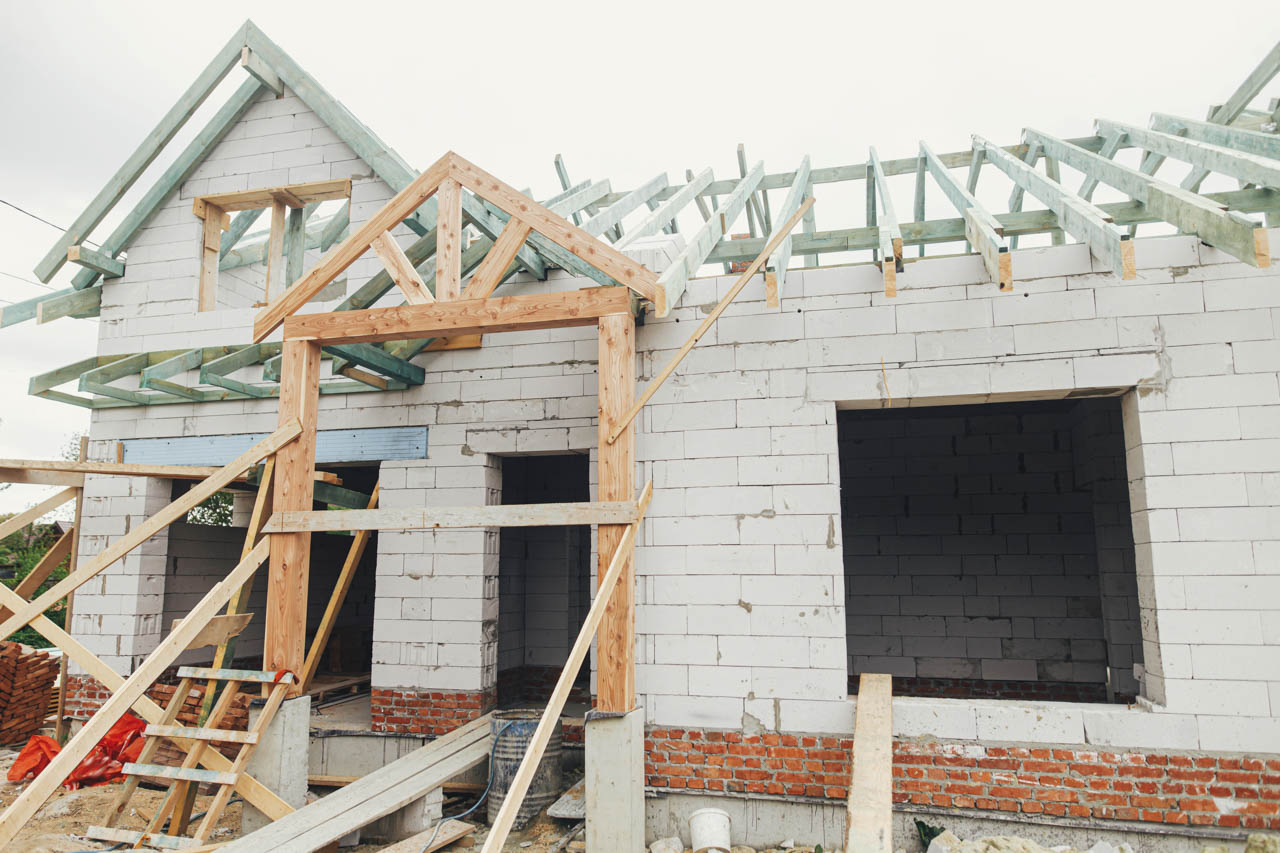
If the land and the materials is becoming more expensive globally, the solution lies in the efficiency of the “space.”
The findings from The Economist highlight why innovation is the future. We must look toward modular building technologies, sustainable materials, and smarter urban planning to ensure that the dream of homeownership remains attainable for the Filipino worker.
As the world’s housing map continues to redraw itself, being an informed builder or buyer is your best defense. Understanding these global pressures allows us to plan better, build wiser, and advocate for housing solutions that serve the many, not just the few.
Data and original reporting sourced from The Economist. For more localized building tips and industry news, stay tuned to JuanToBuild.com.