If you have been holding back on setting up solar panels because of confusing permits, lengthy utility approvals, or hidden fees, the Department of Energy just cleared the runway. Secretary Sharon S. Garin recently signed Department Circular No. DC2026-08-0017, and it is a massive win for anyone looking to power their home or business with clean energy. Here at JuanToBuild.com, we know how frustrating the old process could be, so let us break down why this new policy changes the game.
Understanding the New Categories
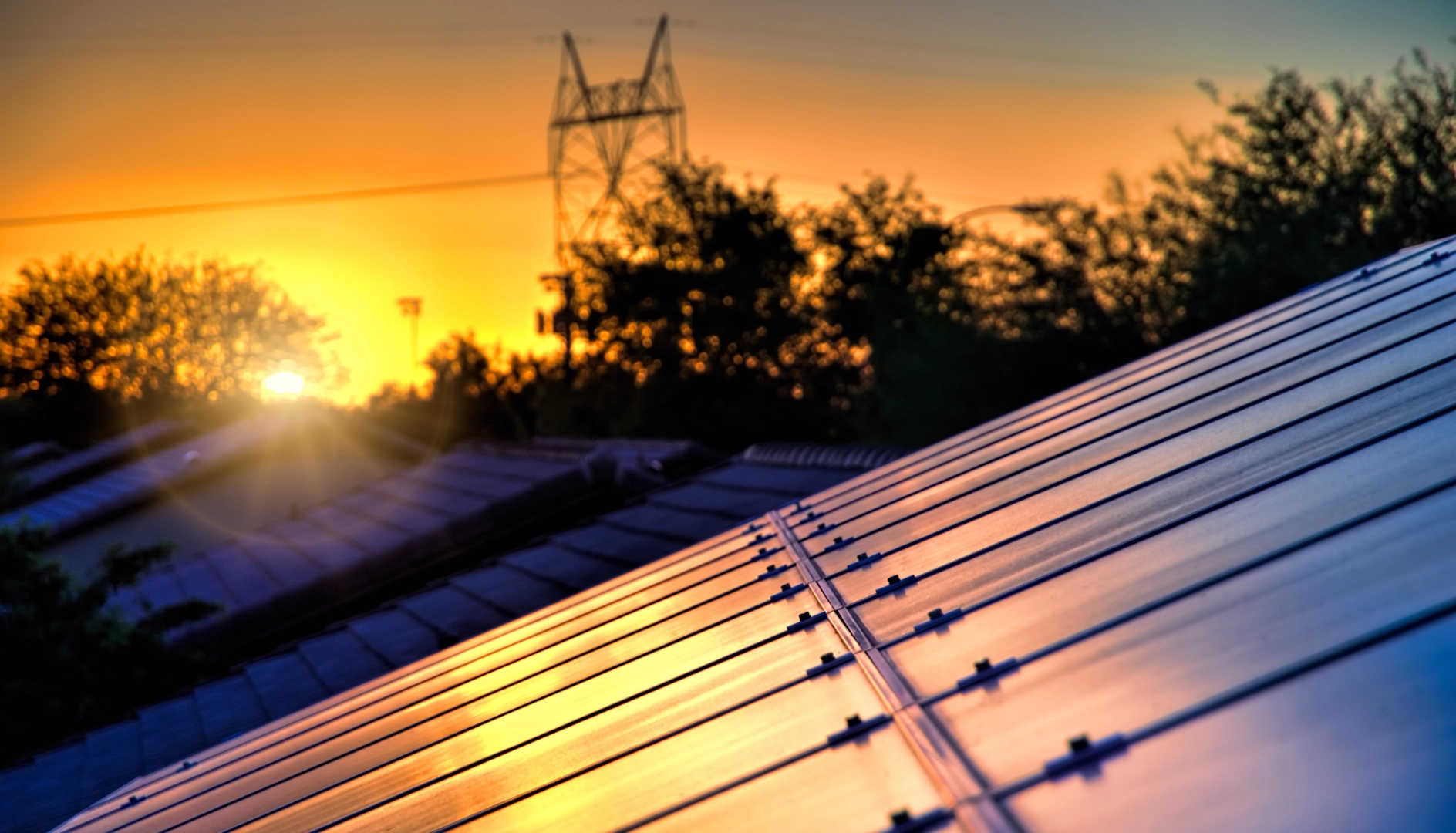
The new circular makes installing zero-export and micro-solar setups significantly easier by dividing own-use systems into two simple categories. The first is Self-Generating Facilities Zero-Export Solar Systems, or SGF ZESS. This covers setups of any capacity built purely for your own consumption that never send excess power back into the main grid. You can tie these to the grid with isolation controls or operate them completely off-grid. The second category is Micro-Solar Systems, or MSS, which applies to small plug-and-play setups capped at 1,000 Watts DC on the panel side and an 800-Watt micro-inverter plugged into a regular wall outlet.
The 1kW Reality Check
Now, if we are being completely honest, that 1kW threshold for plug-and-play micro-solar feels a bit small for the average Filipino household. Many solar enthusiasts and DIYers were really hoping for a 3kW cap to meaningfully run daytime air conditioning and major appliances. That said, it is still a massive step in the right direction. It creates a simple entry point for beginners and paves the way for more progressive energy policies down the line.
Major Relief for Residential Solar Owners
For most residential solar owners, this circular brings a genuine sigh of relief because you can now install a zero-export solar system with a much lighter regulatory burden. Local utilities are no longer allowed to delay your installation by demanding a pre-installation Distribution Impact Study. As long as your system is configured so it never exports power, your main responsibility is simply submitting a basic notification form and fulfilling standard building permit requirements. Most home setups are even completely exempt from needing an ERC Certificate of Compliance. And if you ever decide later that you want to sell your excess electricity back to the grid, you can always transition into the official Net Metering program.
Breaking Down Barriers in Condos and Subdivisions
The policy even addresses living spaces that usually face heavy opposition, like condominiums and gated subdivisions. The DOE is partnering with the Department of Human Settlements and Urban Development to help property owners install solar on balconies, exterior walls, rooftops, and windows, provided the setup meets basic safety and structural standards. Furthermore, utilities are forbidden from cutting your standby grid power or charging surprise fees. Existing analog meters also get a generous 12-month grace period while the utility swaps them out. It is a practical, long-overdue victory that makes sustainable, bill-slashing energy accessible to everyday homeowners and builders across the Philippines.
The Bottom Line
Ultimately, while the 1kW cap on plug-and-play systems may leave bigger households wanting more, DC2026-08-0017 is a monumental policy shift for the Philippine building sector. By eliminating pre-installation clearances and protecting grid access, the Department of Energy has effectively removed the biggest barriers that kept average property owners from embracing solar.
Whether you are building a new residential home, upgrading a condo unit, or managing a multi-family development, taking advantage of these streamlined zero-export rules is one of the smartest investments you can make this year. Stay tuned to JuanToBuild.com as we monitor how local utilities rollout their notification processes and adapt to this new era of accessible, clean energy.