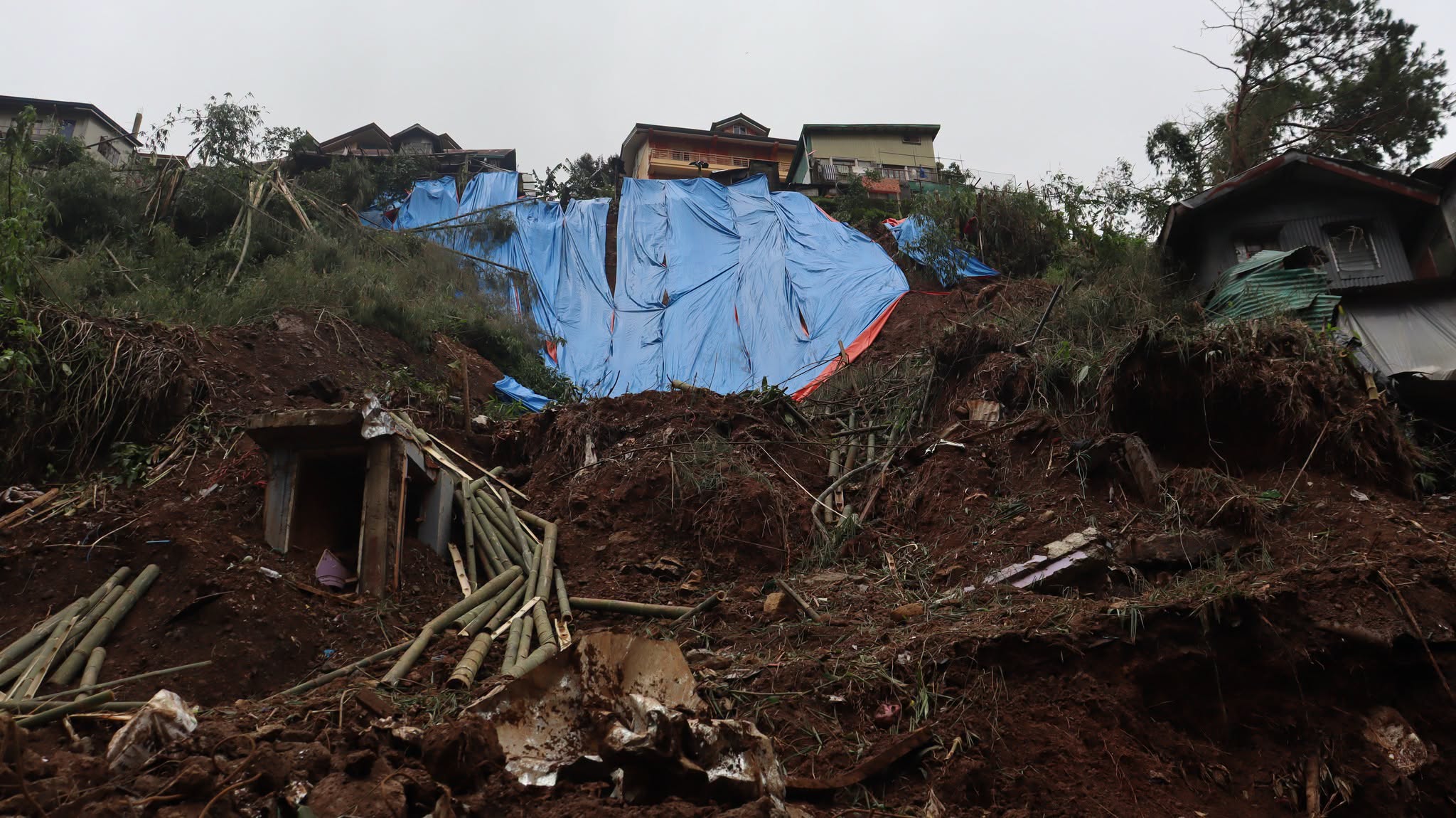
The Department of Public Works and Highways is ditching quick-fix repairs in favor of modern engineering technology to tackle persistent landslides across the Cordillera region.
Following inspections of storm-damaged roads in Baguio City and Benguet, Public Works Secretary Vince Dizon highlighted that traditional slope protection methods are no longer enough. While advanced systems require a higher upfront cost, Dizon emphasized that building sturdier, long-lasting structures will ultimately save public funds by ending the endless cycle of post-rain repairs.
With regional infrastructure damage reaching around PHP 3 billion, the agency is tapping Quick Response Funds and securing allocations in its upcoming 2027 budget to deploy these specialized solutions immediately with the following key infrastructure interventions planned.
Benguet-Vizcaya Road (La Trinidad)
To fix a severe road slip, crews will install a 75-meter double-crib wall integrated with a mechanical stability system. The PHP 75-million project is scheduled to take around 11 months to complete.
Daclan, Tublay
Japanese experts are assisting DPWH in reinforcing a specialized metal curtain wall that successfully caught falling rock debris. Upper sections of the mountain face will also receive shotcrete slope protection, a technique where high-velocity concrete is sprayed directly onto loose soil and fractured rock to seal the slope against rain erosion.
La Trinidad Strawberry Farm
To solve over 20 years of chronic flooding, short-term plans include dredging Bolo Creek and the Balili River, alongside installing a new floodgate. Long-term fixes will involve building a large drainage canal and dedicated water catchment areas.
The agency is also evaluating long-term recommendations from the Japan International Cooperation Agency, while regional leaders have suggested studying mountain tunneling as a permanent, low-maintenance alternative for hazardous stretches like Kennon Road.
As the Philippines faces increasingly severe weather patterns, moving toward advanced, climate-resilient engineering is a crucial step in safeguarding vital transport corridors and local economies. By prioritizing long-term structural integrity over short-term fixes, these modern infrastructure upgrades will help build safer, more reliable mountain highways for communities across the Cordillera region.
For more updates on infrastructure developments, modern construction technology, and industry news across the Philippines, stay tuned to JuanToBuild.com, your reliable online resource for industry news, construction insights, and practical home solutions.