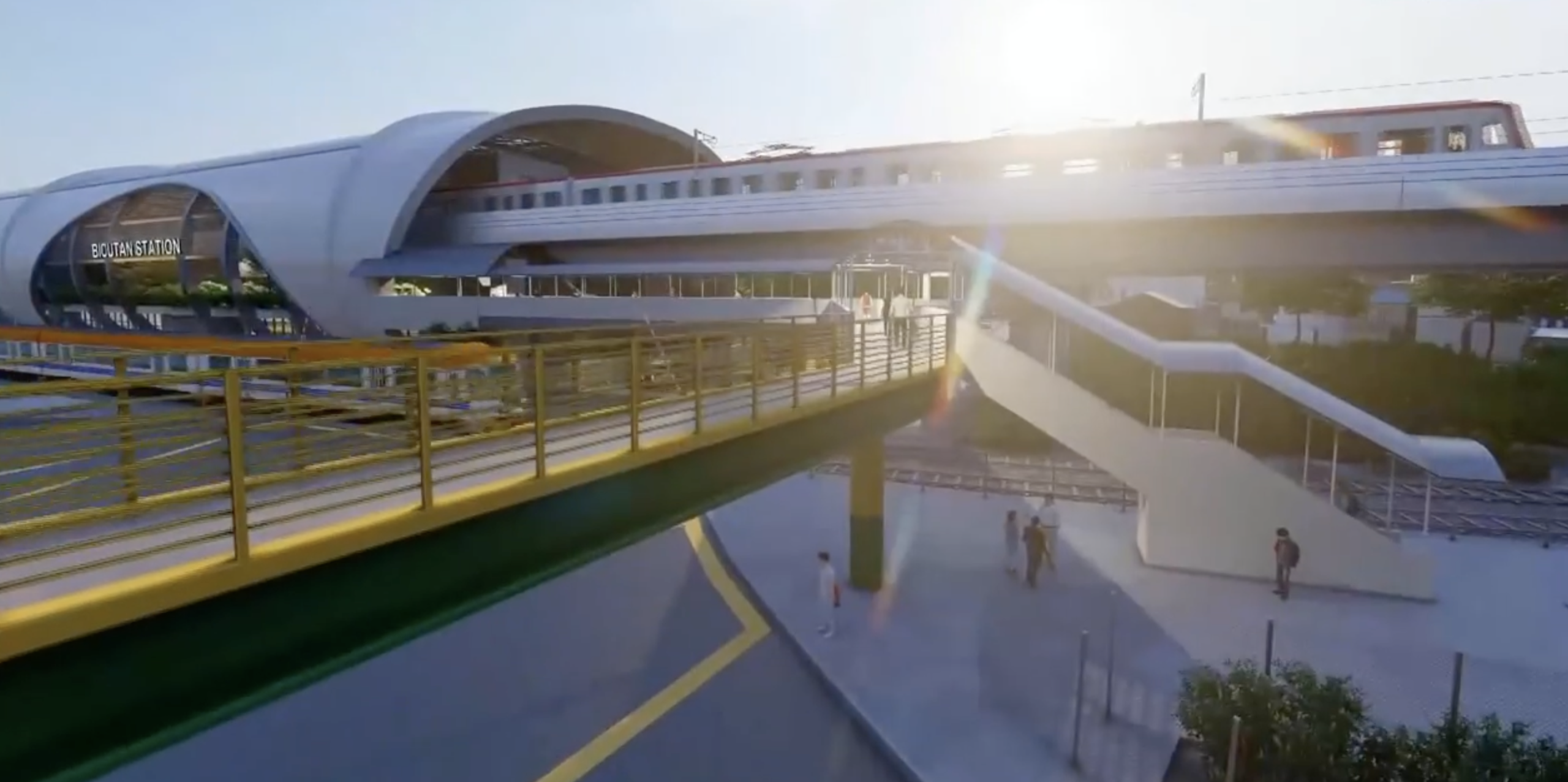
Imagine boarding a modern, high-speed train in Clark, Pampanga, and riding it seamlessly all the way down to Calamba, Laguna, without ever having to step off the platform or get stuck in traffic. This is the ambitious, climate-resilient future of Philippine transportation, and this week, that massive dream took a giant step closer to reality. In a major milestone for local infrastructure, Gotianun-led Filinvest Land Inc. has officially turned over a prime 6,000 square meters property in Bicutan to the Department of Transportation. This critical land handover clears the physical path for the construction of the Bicutan Station, a mega-transit hub that will serve as the crucial intersection for two of the biggest railway systems in our nation’s history.
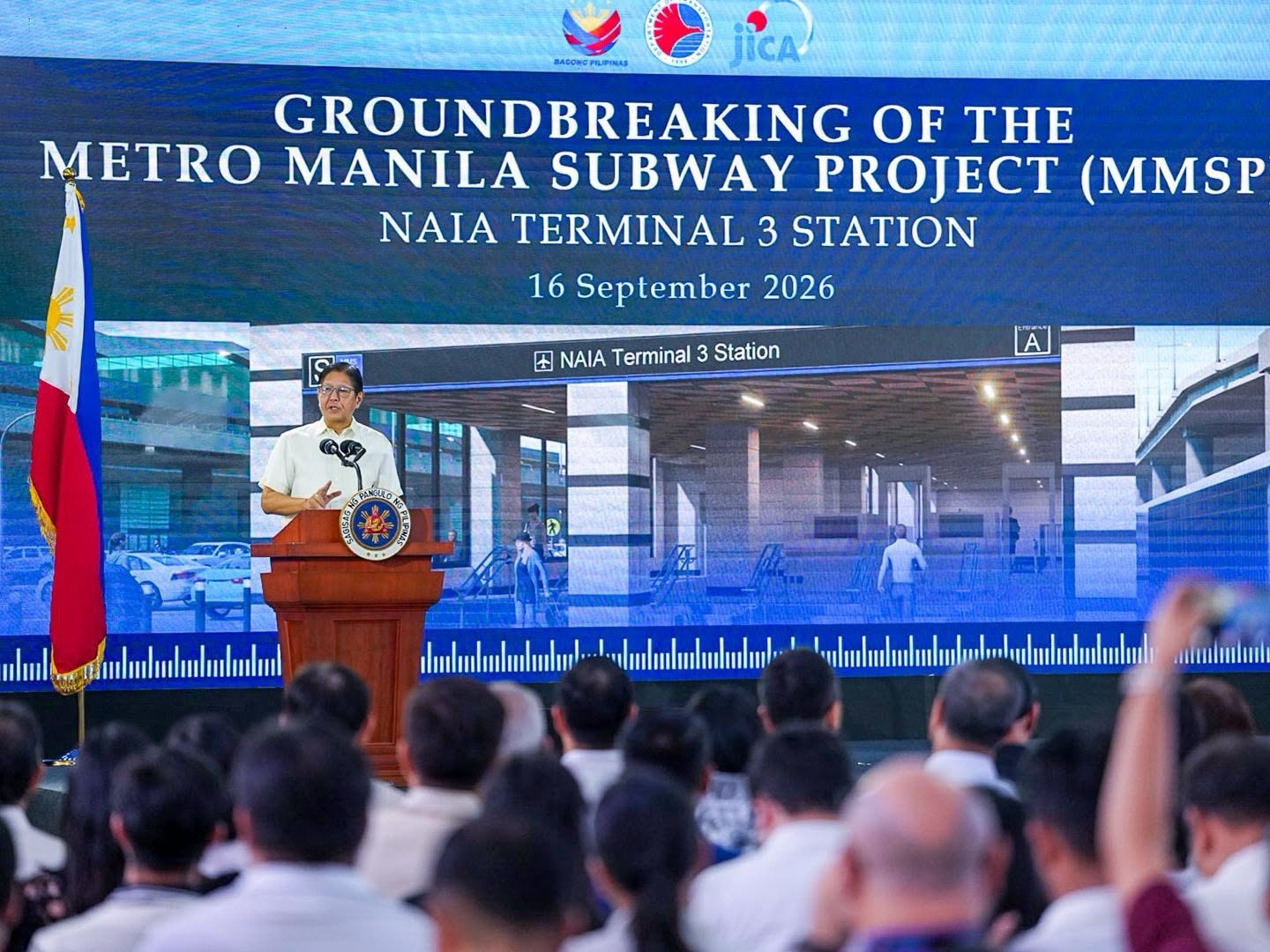
A Massive Land Handover for Public Progress. The newly cleared site will serve as the heart of a highly advanced multi-modal transport terminal. By handing over this land directly to the government, Filinvest is helping fast-track the development of the 147-kilometer North-South Commuter Railway and the highly anticipated Metro Manila Subway Project. Tristan Las Marias, President and Chief Executive Officer of Filinvest Land Inc., shared that a progressive economy relies heavily on robust infrastructure, emphasizing that their partnership with the transit department is a direct testament to their commitment to building the Filipino dream by providing efficient and convenient connections to potential urban growth centers.
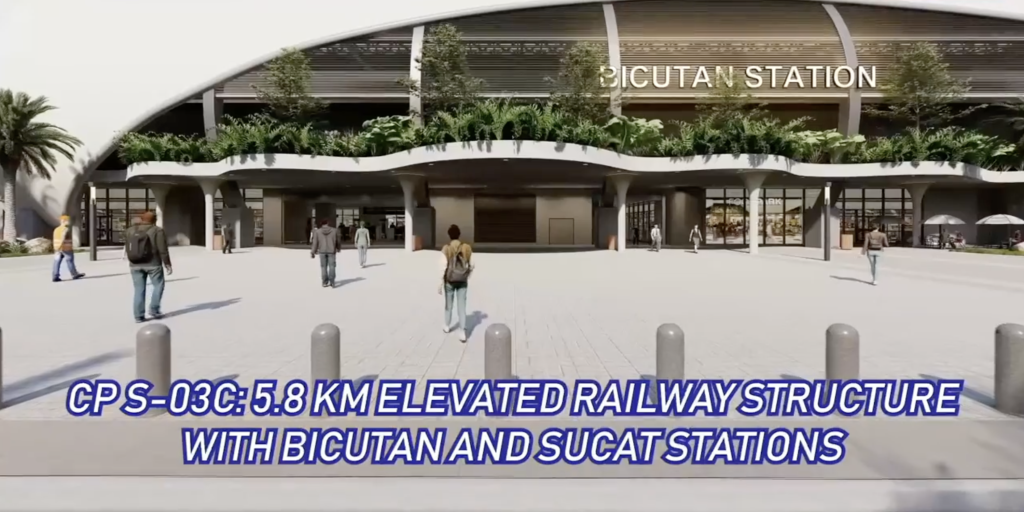
The Engineering Magic of Track-Sharing. From a technical perspective, what makes the Bicutan Station truly fascinating is its highly innovative track-sharing design. Instead of building completely separate, redundant railways that eat up precious urban land and balloon public budgets, the station is engineered to allow Metro Manila Subway trains to physically run on a portion of the commuter railway line. This seamless integration means that passengers can transition between the underground subway and the elevated commuter trains effortlessly within the same facility, creating a continuous, highly efficient web of travel that stretches from the northern freeports down to the southern provinces.
The Transit-Oriented Development Play. For property owners and local builders, the real magic of this hub is a classic concept known as Transit-Oriented Development. Alongside the station construction, Filinvest has announced plans to build the Filinvest Pedestrian Link, a fully covered, elevated footbridge that will connect the multi-modal transit hub directly to its adjacent 6.5-hectare commercial estate. This is a brilliant structural strategy because it means thousands of daily commuters can step off the train and walk directly into offices, retail spaces, and residential towers without ever having to brave the rain or cross busy, dangerous highway lanes.
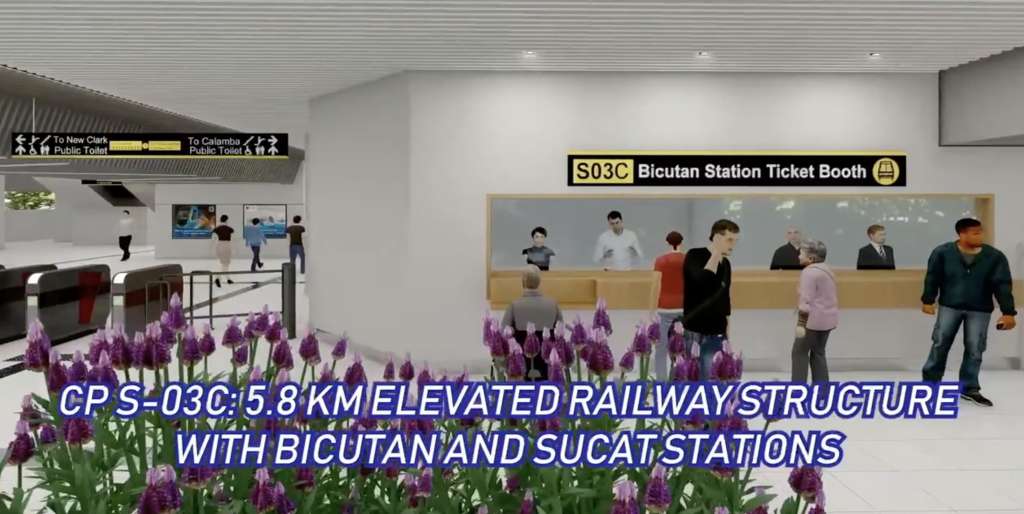
Timeline, Jobs, and the Million-Passenger Goal. Building a project of this scale requires a massive, disciplined workforce. The broader 5.8-kilometer elevated railway segment, which includes the Bicutan-Sucat link, is currently targeted for construction completion in 2031, with full system-wide operations scheduled to roll out by 2033. The government estimates that this historic build will generate over 350,000 direct and indirect jobs across both the construction phase and subsequent transit operations. Once the doors officially open, the future station is designed to handle an incredible daily volume of up to 1 million passengers, providing a world-class alternative to the chronic gridlock that has plagued the metro for decades.
Want to know how these massive transit hubs will affect property values and construction opportunities in your neighborhood? Keep following us here on JuanToBuild.com for more practical guides, infrastructure breakdowns, and structural advice to help you build smart for the future.