Few things are more frustrating than watching an outdoor project slowly deteriorate after just one rainy season. Whether it is an outdoor gate, a garden shed, or overhanging media aguas, standard interior plywood is generally not manufactured to survive direct exposure to the elements. When ordinary plywood faces the combination of direct sunlight and heavy monsoon rains, it undergoes regular physical stress. The wood fibers absorb moisture and swell, only to dry under the sun and shrink rapidly a short time later. This repeating cycle of swelling and shrinking creates internal tension that can eventually pull the material apart.
The root cause of this structural failure lies within the layers of the board. Ordinary plywood, often sold locally as commercial or ordinary ply, is typically manufactured using urea-formaldehyde glues. While this adhesive is suitable for dry, air-conditioned indoor spaces, it is water-soluble. When rainwater seeps through the porous wood veneers and reaches the glue lines, it triggers a chemical breakdown. The adhesive dissolves, causing the layers of wood to separate, buckle, and peel away from each other in a process known as delamination. Once these layers open, they turn into a damp breeding ground for anay and wood-rotting fungi, which can compromise the strength of the panel within a matter of months.
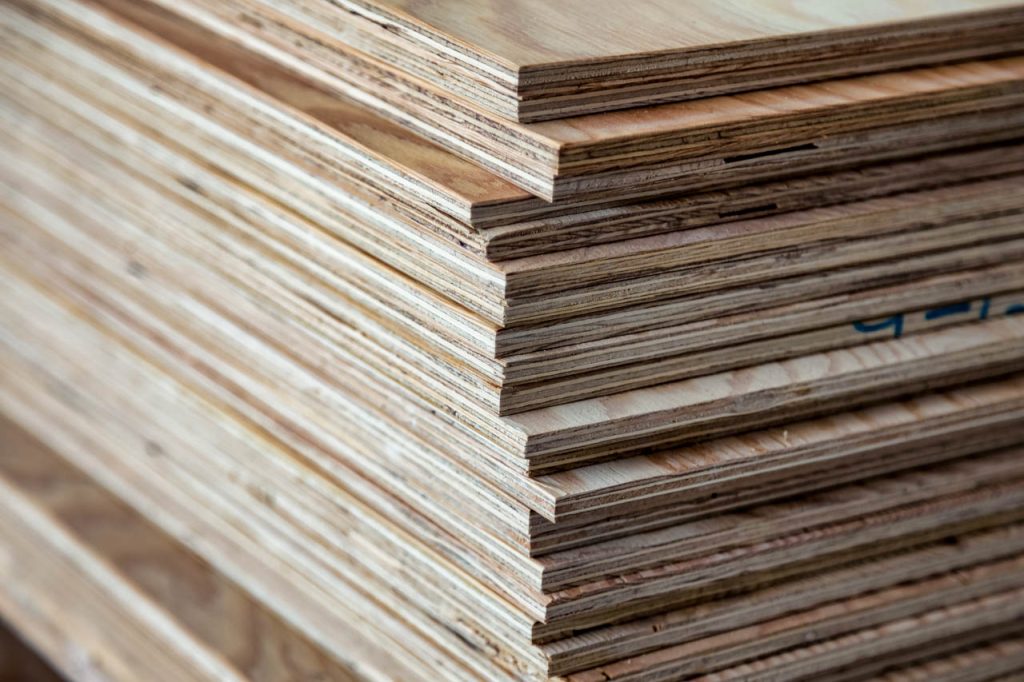
This is where marine plywood becomes a practical alternative, though it remains a widely misunderstood material in the local market. Many builders assume that marine plywood is treated with a waterproof chemical coating on the exterior. In reality, the performance of marine plywood depends on its internal anatomy and manufacturing process. Marine plywood is built using high-density, uniform tropical hardwood veneers, such as mahogany or meranti. Because these hardwood species possess tight grain structures, they are naturally more resistant to moisture absorption and rot than the softer woods used in standard commercial panels.
Beyond the wood species itself, the defining characteristic of marine plywood is the specific adhesive used to bind the layers together. Marine-grade panels are manufactured using industrial-strength Phenolic Resin, creating a bond commonly referred to as Weather and Boil Proof. Unlike the water-soluble glues in ordinary ply, this phenolic resin undergoes a permanent chemical change under heat and pressure during manufacturing. Once cured, it transforms into a stable, plastic-like layer that resists water, steam, and high temperatures. This means that even if water manages to saturate the wood veneers, the glue lines are designed to hold, keeping the panel flat and structurally whole.
Another engineering difference that sets marine plywood apart is its controlled internal construction. If you look closely at a cut sheet of ordinary plywood, you will often spot tiny hollow pockets, knots, and empty gaps running along the inner layers where the wood veneers fail to meet seamlessly. In an outdoor setting, these hidden internal voids act like tiny water reservoirs, trapping moisture deep inside the wood with no way to evaporate. Marine plywood reduces this vulnerability through a void-free construction standard. Every single inner veneer is fitted edge-to-edge, ensuring a solid, compact cross-section through the entire sheet that minimizes the spaces where water can gather.
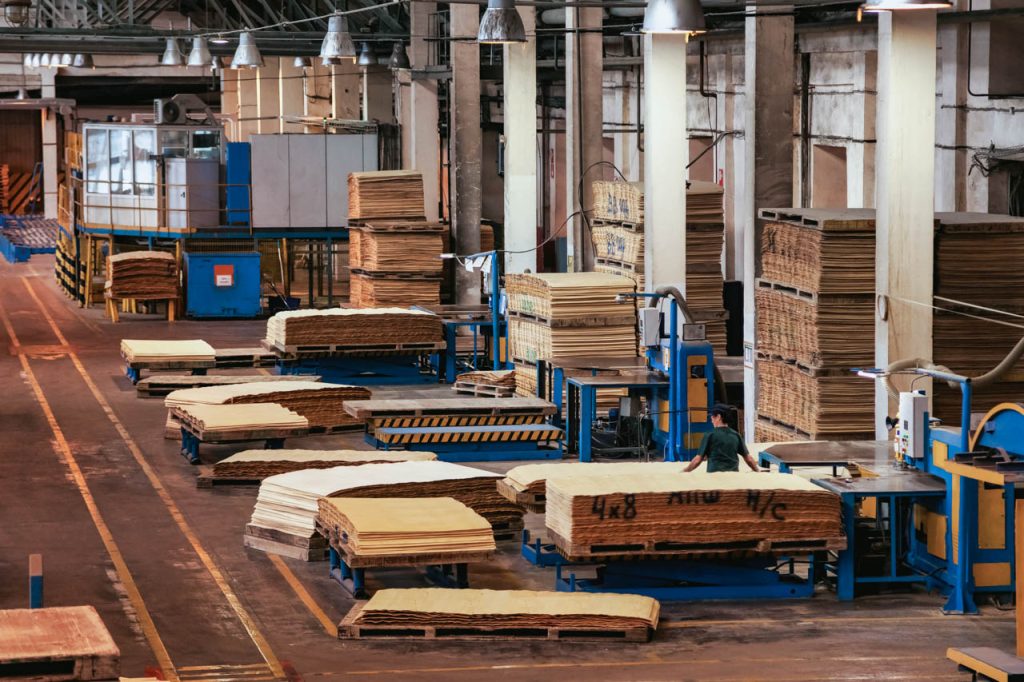
To ensure you are getting genuine marine plywood at the hardware yard, you can inspect the panel closely before purchasing. Instead of relying purely on a brand stamp, look directly at the raw, cut edges of the board. A genuine marine plywood sheet will show thin, consistent, and even layers pressed tightly together without visible gaps, overlapping core veneers, or hollow holes in the middle. Furthermore, authentic marine panels feel noticeably heavier when lifted, reflecting the higher density of the solid hardwood cores and the intense compression used during factory pressing.
While investing in authentic marine plywood costs more upfront compared to ordinary commercial sheets, evaluating the life-cycle cost shifts the financial logic for outdoor projects. Choosing standard plywood for an outdoor application can become an expensive trap; when you add up the initial material cost, the price of paints, the labor fees for installation, and the eventual cost of tearing it down to rebuild it when it rots, the overall expenses increase significantly. Using marine-grade panels from the start offers reliable durability. When properly sealed with a quality outdoor paint or polyurethane finish, marine plywood provides confidence that your outdoor structures can withstand tough typhoons and summer heat for years to come.