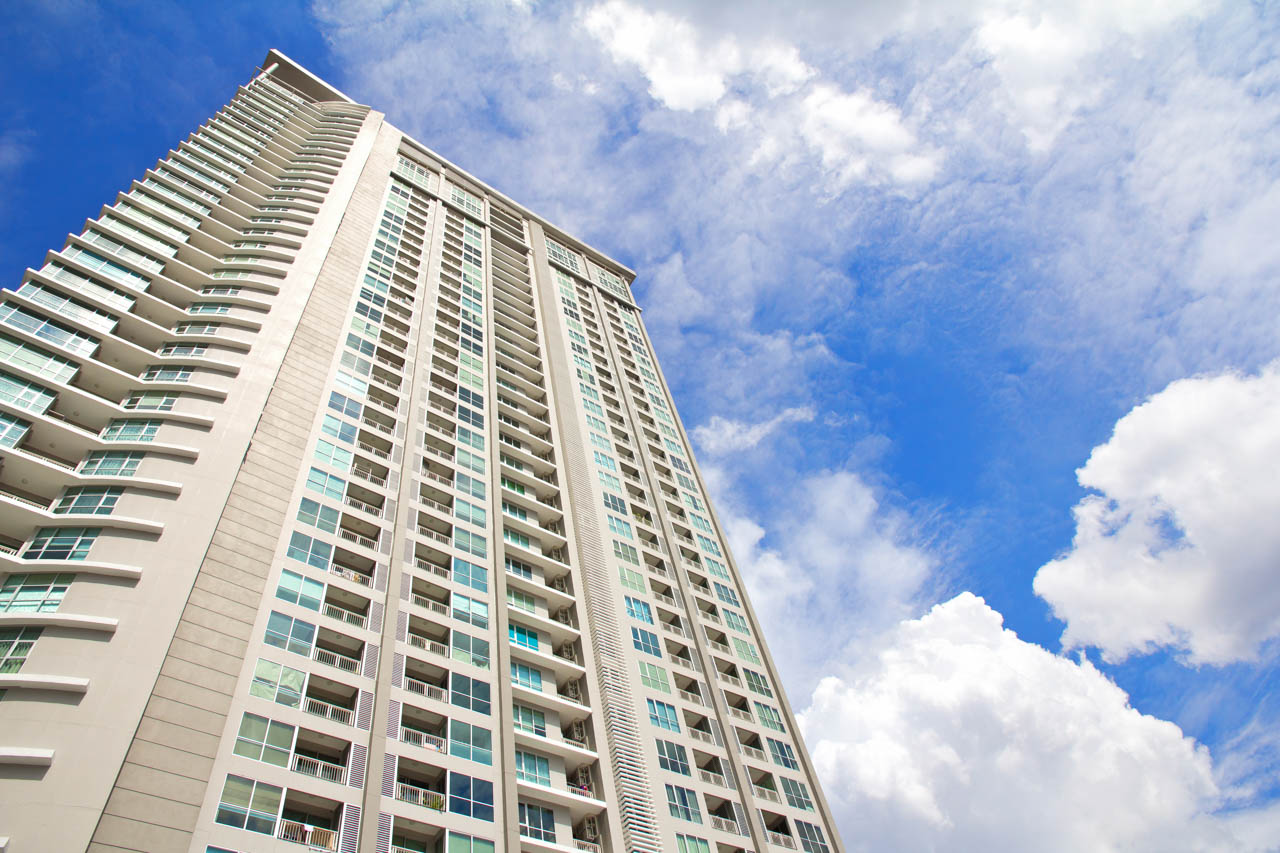
Securing your own slice of the Philippine skyline is an exhilarating milestone, but before you start swinging a sledgehammer like the star of your own home makeover show, it is vital to remember that high-rise living means being part of a shared ecosystem.
A condo renovation is a building experience in every sense of the word, yet you cannot simply go “Wreck-It Ralph” on a wall without checking the rules first. Ignoring the minimum requirements of your building often leads to a maximum headache, so the first commandment of condo life is to treat your Homeowner’s Manual like the holy grail.
Before you even buy a single paintbrush, pay a visit to your Property Management Office because most developers mandate specific design standards and work schedules that you must abide by.
Navigating this administrative phase is like clearing a “boss level” in a game. You should generally anticipate a twelve-day rule, where approval for your plans usually takes about twelve working days once all required documents are submitted.
You will also encounter the “bond-ing” moment, which involves filing a monetary cash bond that acts as a security deposit against any accidental damage your team might cause to the elevator or common hallways.
Furthermore, accreditation is key because many buildings require you to hire only contractors authorized by the management office. This ensures the team knows the building’s internal layout and won’t accidentally drill into a main water line or disrupt essential services.

As you begin planning your vision, you must decide if the place just needs a cosmetic facelift or full reconstructive surgery. Minor renovations involve simple changes like repainting or upgrading fixtures, whereas major renovations involve structural alterations or room reconfigurations that might require you to temporarily relocate for safety.
During this phase, a purpose check is essential to determine if you are renovating for personal use or for leasing. If the unit is intended for a tenant, it is often wiser to stick to neutral tones and basic repairs rather than going overboard with personal designs that might not appeal to everyone.
A pro tip for managing this process is to tackle the renovation per area based on your priorities, which keeps your budget in check and prevents your entire unit from becoming an overwhelming construction zone all at once.
When it comes to the actual design, the most successful formula is to move the eye rather than the fixtures. Instead of tearing down perfectly good cabinets, focus on building up by seeing what can be repaired or reinforced; a fresh coat of paint or high-quality lighting can create an enormous impact for a fraction of the cost.
Always remember the old builder’s adage to measure twice and cut once, perhaps by taping off floor dimensions of a new sofa before buying it to ensure you still have a clear path to your kitchen. By following these steps and respecting the rules of the high-rise ecosystem, you can achieve a seamless condo makeover that avoids the common “DIY-asters” and results in a space you are truly proud to call home.
Budgeting for Reality
In this era of global inflation, your budget needs to be as sturdy as a load-bearing column. Always set aside a 10% to 20% contingency fund for those “oops” moments or price adjustments in materials. Remember: the longer a project takes, the more “pesos” you’ll likely shell out, so stick to your timeline!
The Finishing Touches and Beyond
Once the dust settles and you’ve passed the final inspection, the job isn’t quite done. Implement a post-renovation maintenance routine to keep your new fixtures and surfaces in pristine condition.