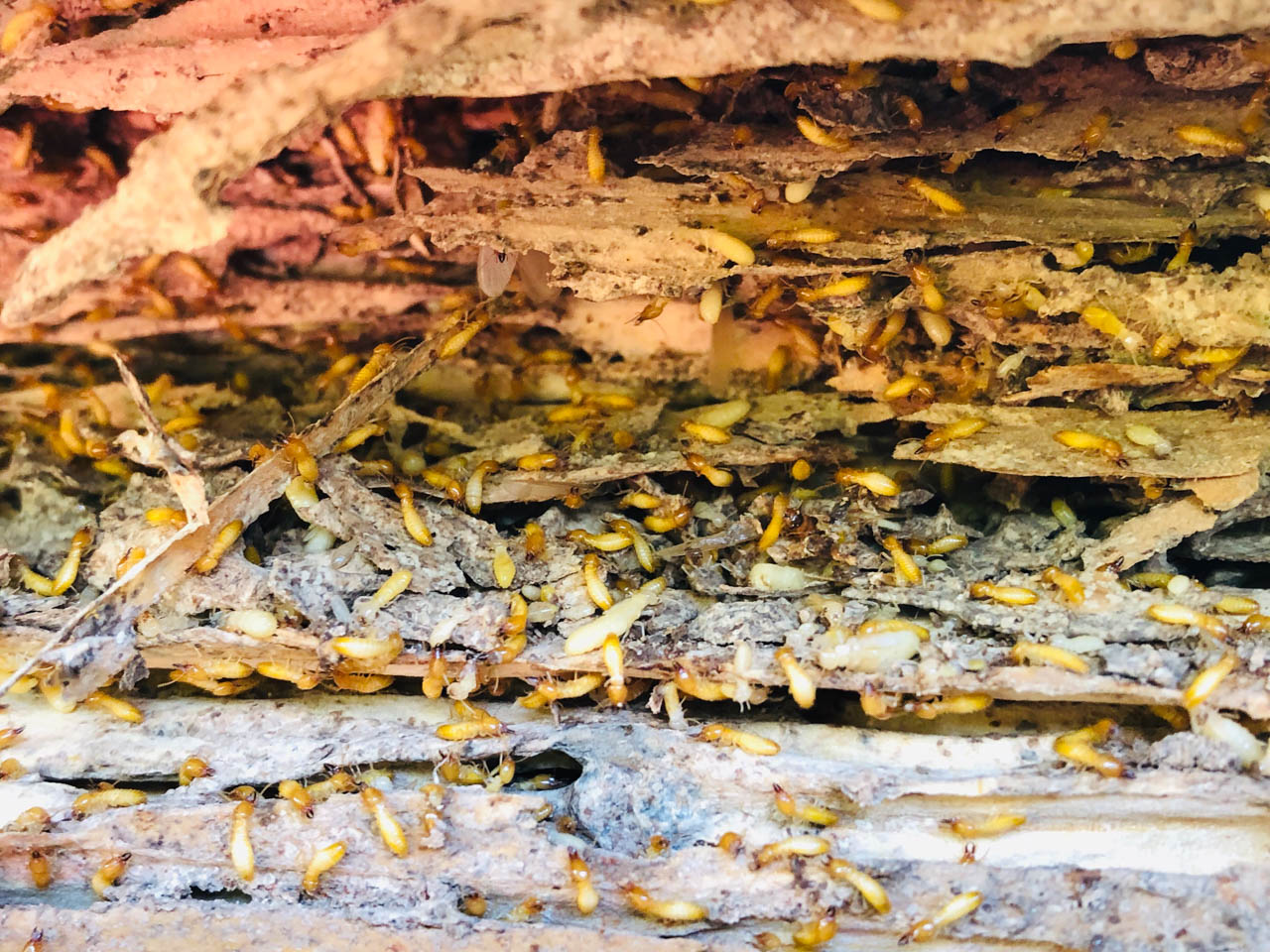
In the Philippines, it is rarely a matter of if termites will find your home, but rather a question of when they will make their presence known. Our tropical climate, characterized by high humidity and consistent warmth, serves as a world-class breeding ground for anay.
Despite this constant environmental threat, many homeowners mistakenly treat termite protection as an optional luxury or a secondary line item in the budget. For many, the first sign of trouble is the hollow, paper-like sound of a their wooden baseboards or the appearance of a mysterious mud tube scaling their wall. By the time these visual cues emerge, the structural integrity of the timber elements is often already compromised. At JuanToBuild.com, we advocate for a “Ground War” strategy, a preemptive strike initiated long before the first bag of cement is ever poured on-site.
A dangerous misconception among first-time builders is the belief that a thick, solid concrete slab acts as an impenetrable fortress against pests. In reality, termites are marvels of persistence, capable of navigating through structural gaps as narrow as a credit card!
As a house settles into the earth over its first few years, the weight of the structure inevitably creates tiny hairline cracks within the slab. These fractures, particularly those forming around plumbing penetrations and electrical conduits, serve as invisible, moisture-rich highways. Termites use these pathways to bypass the concrete entirely, moving from the colony in the soil directly into the wooden heart of your home without ever being exposed to the open air.

The primary line of defense in any serious build is a comprehensive soil treatment, where the earth is meticulously drenched with specialized termiticide prior to the pouring of the slab-on-fill. This process is designed to transform the footprint of your home into a chemical barrier that repels or eliminates sub-surface colonies. However, the effectiveness of this barrier relies heavily on the integrity of the application. A common industry pitfall involves subcontractors who over-dilute the chemical solution to stretch their margins, resulting in a barrier that is aesthetically present but functionally useless. Homeowners must be vigilant in verifying the concentration and total volume of the termiticide used.
Furthermore, the timing of the application is critical; if the solution is sprayed during heavy rainfall, the active ingredients are often washed away into the water table, leaving the foundation defenseless while simultaneously causing unnecessary environmental runoff.
For those looking to invest in the future-proofing of their property, reticulation systems are rapidly becoming the gold standard for sustainable maintenance. This sophisticated approach involves installing a network of perforated pipes across the soil before the concrete pour, all connected to external charging ports discreetly located on the building’s perimeter.
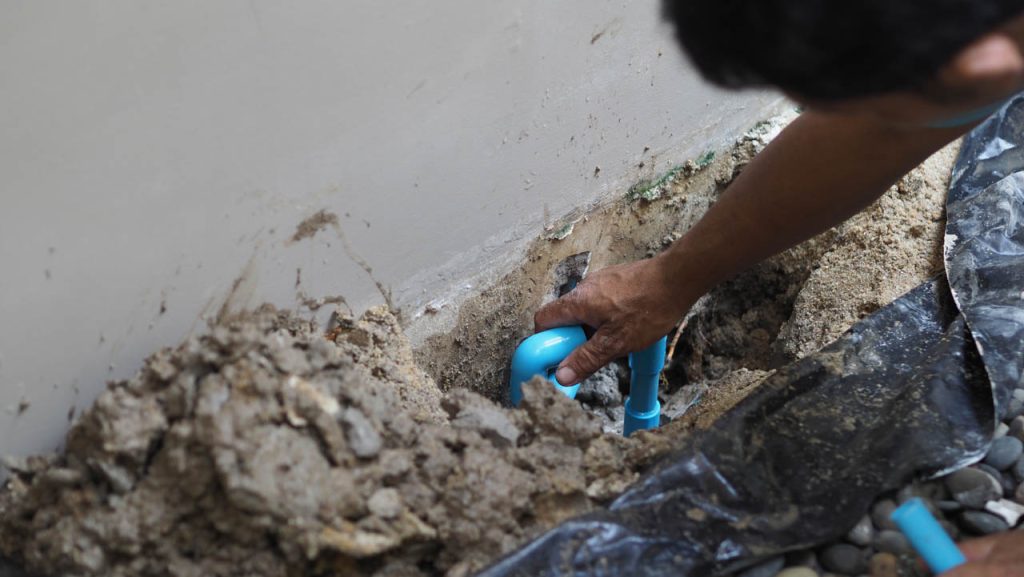
The brilliance of this system lies in its longevity; it allows for the seamless re-application of protective chemicals every few years without the need for destructive measures. Traditional methods often require drilling unsightly holes into expensive imported floor tiles or marble slabs to reach the soil once the barrier expires. A reticulation system effectively transforms termite defense into a maintainable utility, managed with the same regularity and ease as your home’s plumbing or electrical systems.
Ultimately, the decision to protect the foundation of a home should be approached with the same enthusiasm and scrutiny used when selecting paint palettes or designer furniture and fixtures.
While soil treatment is often categorized as a “hidden” or “sunk” cost during the chaotic construction phase, it remains the only safeguard protecting a multi-million peso investment from being slowly hollowed out from the inside.
Winning the ground war requires an obsessive attention to detail, from ensuring the site is completely stripped of buried wood debris and organic matter to securing heavy chemical coverage along the critical junctions of foundation walls. These final, invisible steps are what truly ensure that your dream home remains a solid asset for generations, rather than an all-you-can-eat buffet for the subterranean world.