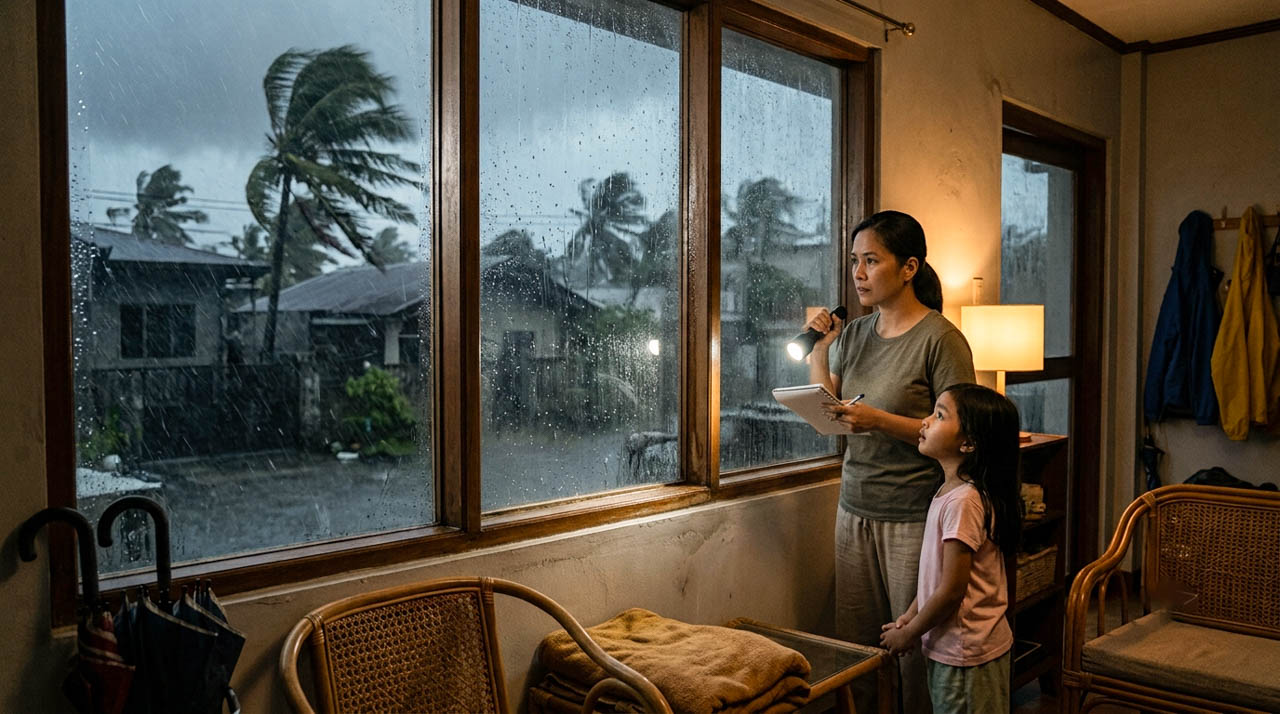
When the heavy tropical rains of the typhoon season hit the Philippines, the enhanced southwest monsoon can bring days of continuous downpour across Metro Manila and the provinces. During these times, when we are stuck indoors listening to the relentless wind and rain, it is easy to just curl up and wait for the storm to pass. But these rainy days actually present a rare, highly valuable opportunity. While the rain is actively hitting your home, you have the perfect “live test” environment to safely inspect your house’s structural defenses from the comfort and safety of your living room. You do not need to climb up a slippery ladder or step onto a dangerous wet roof to do this; you just need your eyes, a flashlight, and a bit of focus to spot the early warning signs of water damage before they turn into expensive structural failures.
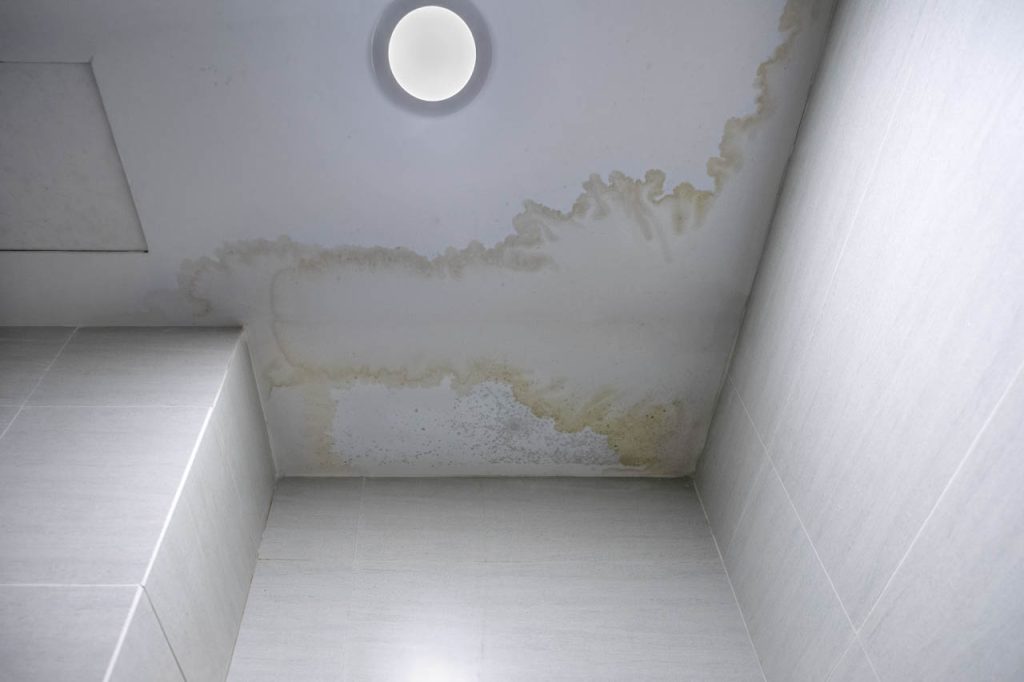
The first area to inspect is your ceiling board, specifically looking for the “Great Roof Leak Mystery” we talked about before. Grab a flashlight, turn off your room lights, and shine the beam across your ceiling panels. You are looking for slow, dark water rings or sagging paint, especially around the areas directly beneath your roof trusses and purlins. In our climate, a single backing-out roofing nail can allow rainwater to run straight down its shaft, soaking into your ceiling over several hours. If you catch these damp spots right now while they are fresh and active, you can take a photo on your phone to show your contractor exactly where the water is entering once the storm clears. This is infinitely more effective than trying to guess the location of a leak on a dry, sunny day when the water rings have faded into faint, dusty patches.
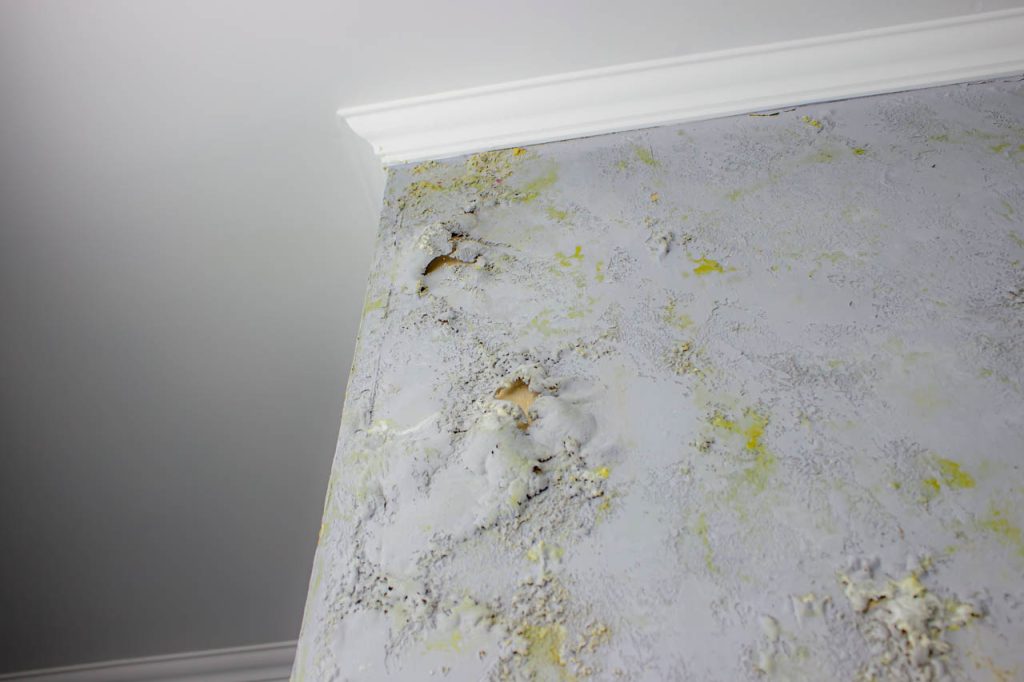
Next, shift your attention to your exterior firewalls, particularly the ones that face the brunt of the heavy monsoon winds. Concrete is naturally a porous material, and unplastered or poorly painted firewalls act like hard sponges that absorb moisture during prolonged downpours. Walk along the inside of these walls and gently press the palm of your hand against the plaster. If a wall feels unusually cold or damp to the touch, or if you notice bubbling paint and white, powdery salt deposits near the baseboards, you are looking at rising dampness and capillary action in real-time. This dampness means rainwater is penetrating your exterior masonry skin, and if left untreated, it will eventually rot your baseboards and ruin your interior plaster. Take note of these damp zones so you can plan to apply a deep-penetrating crystalline waterproofing compound before the next typhoon rolls in.
Another high-risk zone is your window frame, where wind-driven rain can easily find the tiniest structural gaps. During a storm, the intense wind pressure physically forces rainwater against your glass panes, pushing it into the joints between the window frame and the concrete wall. Walk around your bedroom and living room windows and look closely at the bottom tracks and corners. If you see water pooling on the ledge, or if you spot a slow trickle running down your wall, your exterior silicone sealant has likely dried up, cracked, or peeled away. While you cannot apply new sealant while the masonry is wet, placing a dry towel on the sill now will protect your drywalls, allowing you to easily scrape off the old, degraded silicone and apply a fresh, weather-resistant polyurethane sealant as soon as the sun returns.

Finally, you must monitor your floor drains and plumbing vents for signs of backflow or bubbling. During heavy downpours, our public drainage systems can quickly become overwhelmed with runoff, causing water to push back up through your home’s waste lines. Go to your ground-floor bathroom, laundry area, or kitchen sink and listen closely for any gurgling or glug-glug-glug sounds coming from the drains. If you hear these noises or see water rising in your floor gulley, it means your plumbing system is struggling to vent air pressure, or your external drains are clogged with leaves and debris. Keeping these drains clear of obstructions is a simple, zero-cost way to prevent dirty drainage water from backing up into your living spaces, giving your family complete peace of mind through the rest of the typhoon season.
Stay safe and dry inside your homes today, fellow builders. For more practical, step-by-step home maintenance tips and structural safety advice designed for our tropical climate, keep following us right here on JuanToBuild.com.