Providing a reliable, safe, and cost-effective hot water supply is a fundamental requirement in modern residential, commercial, and institutional building design. For architects, MEP engineers, and building owners planning a project in the Philippines, selecting the right water heating system involves balancing upfront infrastructure costs, long-term electrical consumption, space availability, and user comfort.
While conventional water heating designs rely on traditional metal elements, the domestic market is evolving with the introduction of advanced ceramic heating technology. Understanding both system architectures, and the heating mechanics behind them, is essential for making informed specifying decisions.
Comparing System Architectures: Centralized Storage vs. Localized Point-of-Use
Every hot water design begins with a foundational choice between two main distribution models: centralized storage systems or localized point-of-use units.
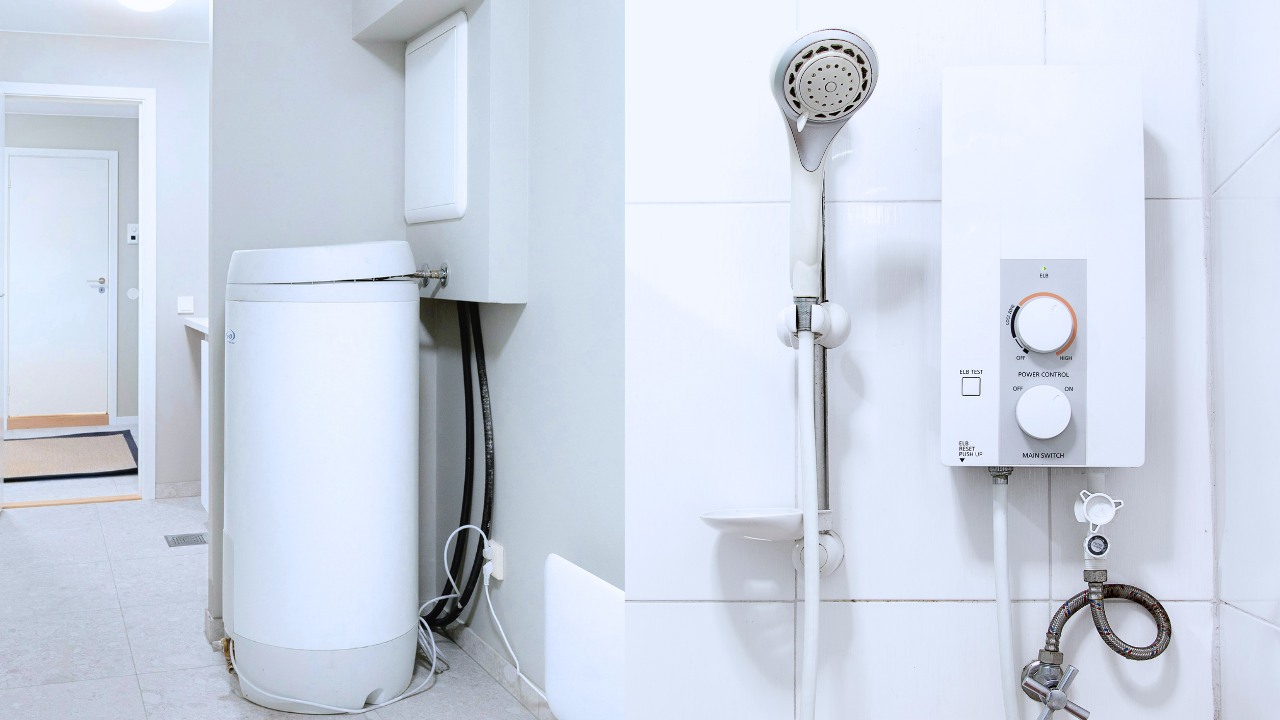
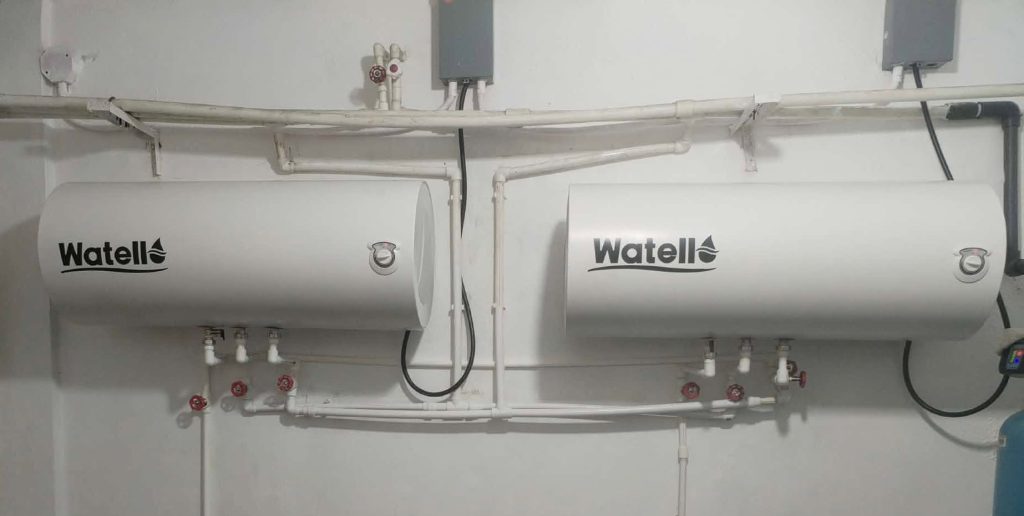
Centralized storage systems rely on a single, large-capacity tank housed in a dedicated utility room or service area. Water is heated in bulk and distributed across the building through insulated hot water supply pipes. Because these tanks operate directly on main line water pressure, they deliver consistent volumetric flow to high-demand fixtures like rainfall showerheads and soaking tubs without sudden pressure drops. Pre-storing thermal energy in a single location allows multiple users across different bathrooms to draw hot water simultaneously. Furthermore, consolidating the heating hardware into a single utility footprint keeps bathroom interiors clean and completely free of visible wall-mounted appliances.
However, centralized setups demand a dedicated dual-pipe distribution network (hot and cold lines) during rough-in plumbing, along with high-grade pipe insulation to prevent thermal loss as water travels through wall cavities and floor slabs.
On the other hand, localized point-of-use systems heat water instantaneously on demand as it flows through the unit, eliminating standing storage tanks altogether. Single-point units serve an individual fixture, while localized multipoint units are engineered with higher wattages to supply two or three adjacent outlets within a single bathroom zone.
Because they sit directly next to the tap, localized units significantly shorten hot water pipe runs, delivering warm water almost immediately while eliminating standby thermal energy losses. The primary trade-off lies in peak electrical demand. Instantaneous heaters require high peak power, often between 4.5 kW and 8 kW per unit, to raise incoming cold water to target temperatures in seconds. In multi-bathroom residences or commercial facilities, running several instant units at once demands substantial electrical panel capacity, larger circuit breakers, and heavy-gauge wiring runs. Not to mention the higher electrical cost it takes to operate multiple point-of-use systems.
The Technical Evolution: Submerged Metal vs. Ceramic Heating Elements
Beyond overall system architecture, the physical heating element inside the unit dictates long-term efficiency, maintenance requirements, and overall service life.
Traditional water heaters, both storage and instant variants, rely on metallic heating elements made of copper, stainless steel, or specialized alloys that are submerged directly into the water stream. While effective initially, this design creates long-term operational headaches in real-world applications. In regions with hard water, minerals gradually accumulate on the metal surface. This scale acts as a thermal insulator, forcing the system to pull significantly more electricity just to maintain baseline temperatures. Over time, continuous exposure to water leads to galvanic corrosion, requiring routine element replacements, sacrificial anode rod servicing, and eventual hardware retrofits.
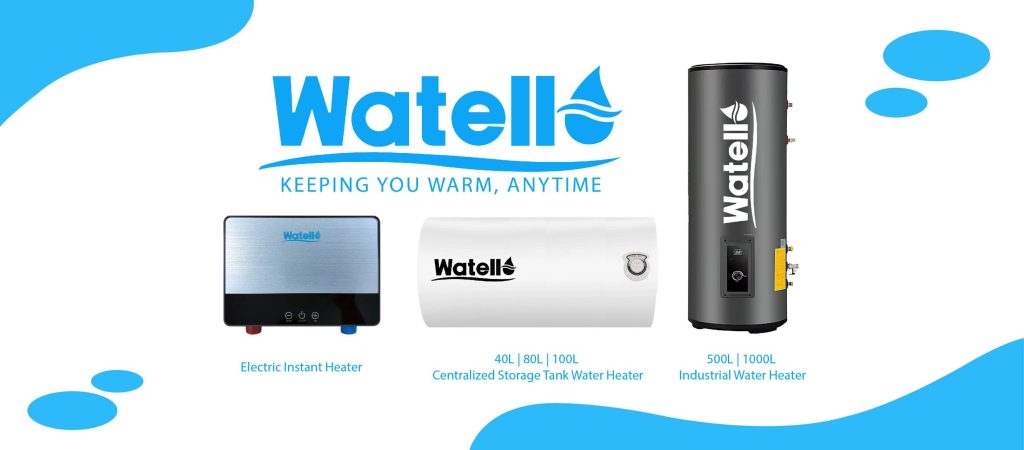
To address these maintenance and safety limitations, new solutions like Watello Water Heaters are introducing ceramic heating technology to the Philippine market.
Instead of immersing exposed metal wire into the water flow, ceramic system designs utilize ceramic heating plates that are completely electrically insulated from direct contact with water. This structural shift addresses three distinct operational pain points at once: first, complete electrical isolation, which drastically lowers the risk of electrical current leaking into the water supply; second, natural resistance to rust, chemical corrosion, and mineral scale, allowing heat transfer to remain efficient year after year; and third, the total elimination of routine mechanical servicing, which minimizes downtime for high-volume facilities like hotels, resorts, and hospitals.
Breaking Down Real-World Operating Costs
Energy consumption remains one of the largest ongoing operational expenses for both households and commercial establishments.
While a standard 100-liter traditional storage tank or conventional multipoint heater draws anywhere from 4.5 kW to 6 kW, specialized ceramic centralized tanks operate on as little as 1.5 kW for residential applications up to 100 liters. For larger commercial facilities, high-capacity 500-to-1,000-liter units can service up to 20 bathrooms while drawing just 3 kW, a fraction of the energy required by conventional industrial boilers.
In practical terms, at an average electricity rate of ₱15 per kWh, running a standard 6 kW heater for a 10-minute shower costs roughly ₱15.00. Powering that same 10-minute shower through an optimized 1.5 kW ceramic element drops the cost to ₱3.75. For property managers and homeowners looking at long-term utility overhead, that represents up to a 75% reduction in direct heating costs over the life of the unit.
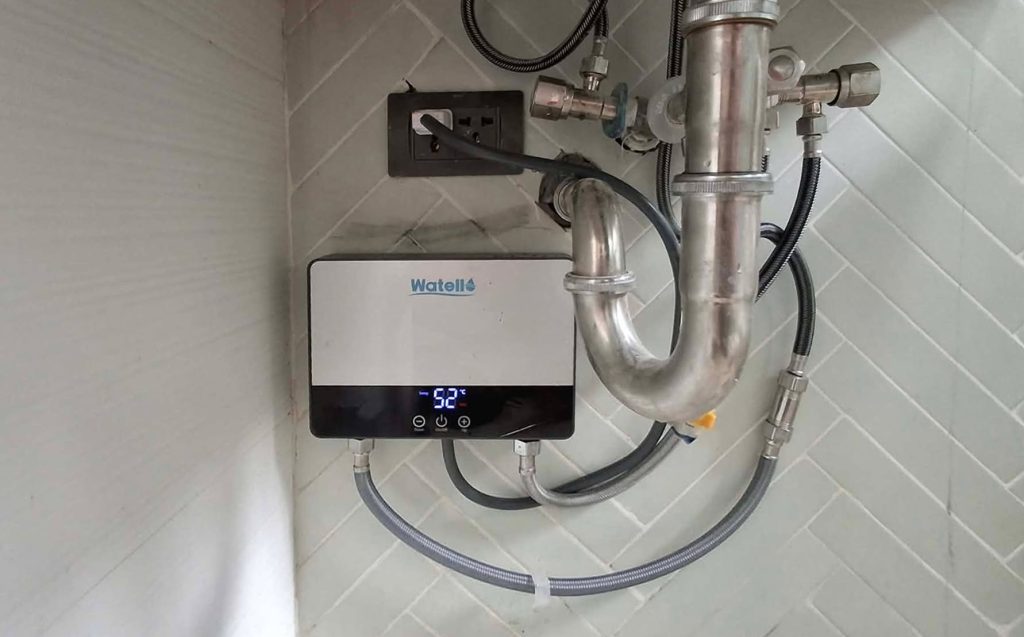
For existing properties where re-piping for a centralized tank is not feasible, intelligent instant units utilize smart power regulation. Rather than firing at maximum wattage continuously, these units compute the exact power needed based on real-time water flow rates, keeping water temperatures stable while curbing excess electrical draw.
Selecting the Right Solution for Your Project
When specifying a water heating setup, design teams should match the technology to the specific operational profile of the property.
Commercial and institutional facilities, such as hotels, resorts, hospitals, and restaurant chains with continuous, high-volume hot water demands, achieve the fastest financial payback from low-wattage, low-maintenance ceramic systems due to substantial daily energy and labor savings. For new residential construction, multi-story homes and master ensuites with bath tubs and high-flow fixtures benefit most from centralized storage layouts designed with energy-efficient heating elements, providing maximum water pressure and hidden utility footprints. Meanwhile, single-bathroom renovations or condo upgrades remain best suited for smart instant or multipoint units that integrate directly into existing single-pipe plumbing networks without structural alterations.
Manufacturing quality should also be verified during specification. Specifiers should look for ISO 9001-certified manufacturing standards alongside international safety and quality certifications, such as CQC, CNAS, CCC, and IAF recognition, to ensure long-term compliance and peace of mind.
Ultimately, a water heating system is a multi-year infrastructure investment. While low upfront hardware costs can be tempting during initial procurement, evaluating long-term energy efficiency, maintenance requirements, and element durability guarantees a safer, more economical, and reliable hot water supply for any building project.