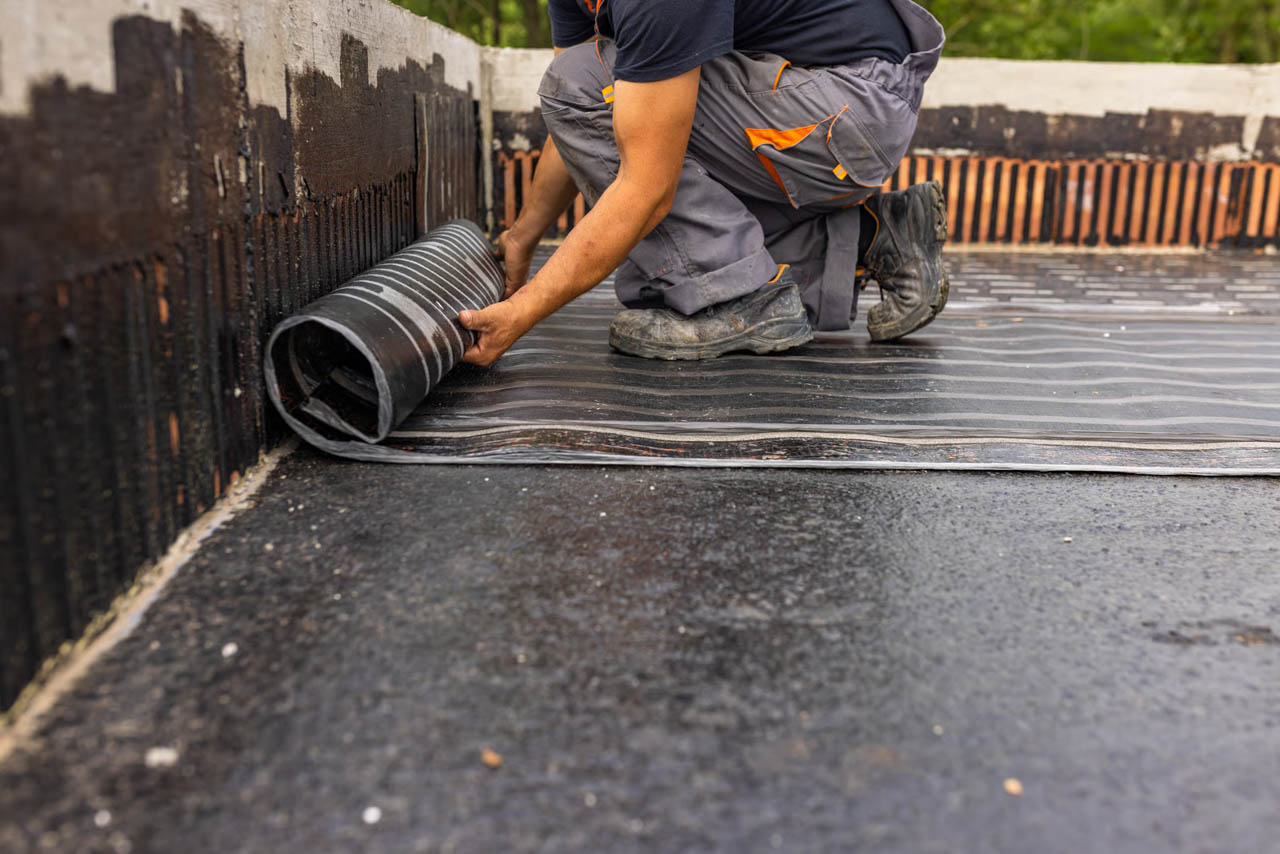
In the Philippines, we don’t just get rain; we get “Bagyo” season. When the Habagat hits, your home’s first line of defense isn’t your umbrella, it’s your waterproofing. We’ve seen how a small leak during July can turn into a major structural nightmare by December. Here is everything you need to know to keep your home high and dry.
The Philippine Reality: Why We Can’t Skimp
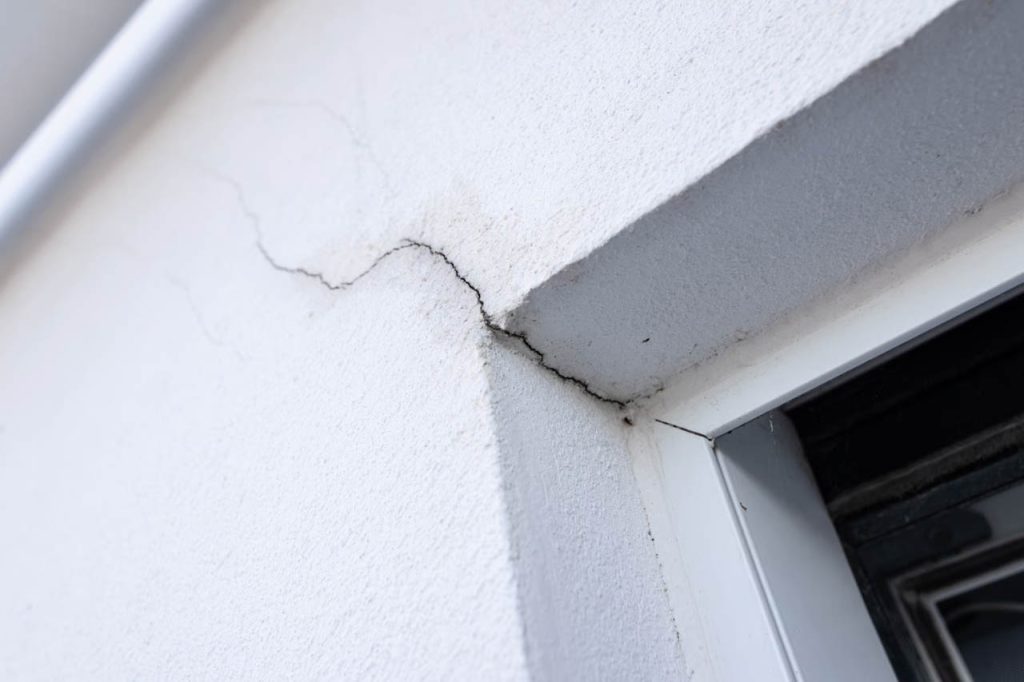
Our local climate presents a unique challenge: extreme heat followed by torrential rain. This constant expansion and contraction of concrete leads to hairline cracks. Once the tropical downpour starts, those cracks act like straws, sucking moisture into your walls. Because of this cycle, waterproofing is a necessity rather than a luxury for any Filipino homeowner.
The Three Great Threats of Water Infiltration
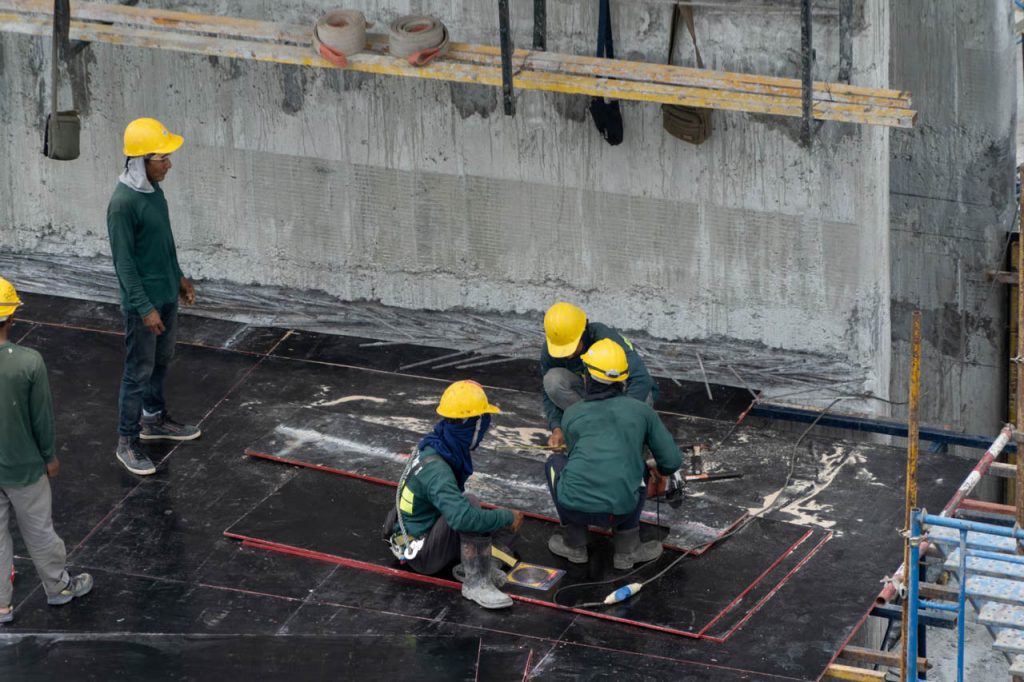
The most dangerous consequence of a leak is often referred to as “Concrete Cancer.” Many Filipino homes are built with reinforced concrete, and when water seeps in to reach the steel rebar, the metal rusts and expands. This causes the concrete to “spall” or flake off, eventually compromising the structural integrity of your entire home.
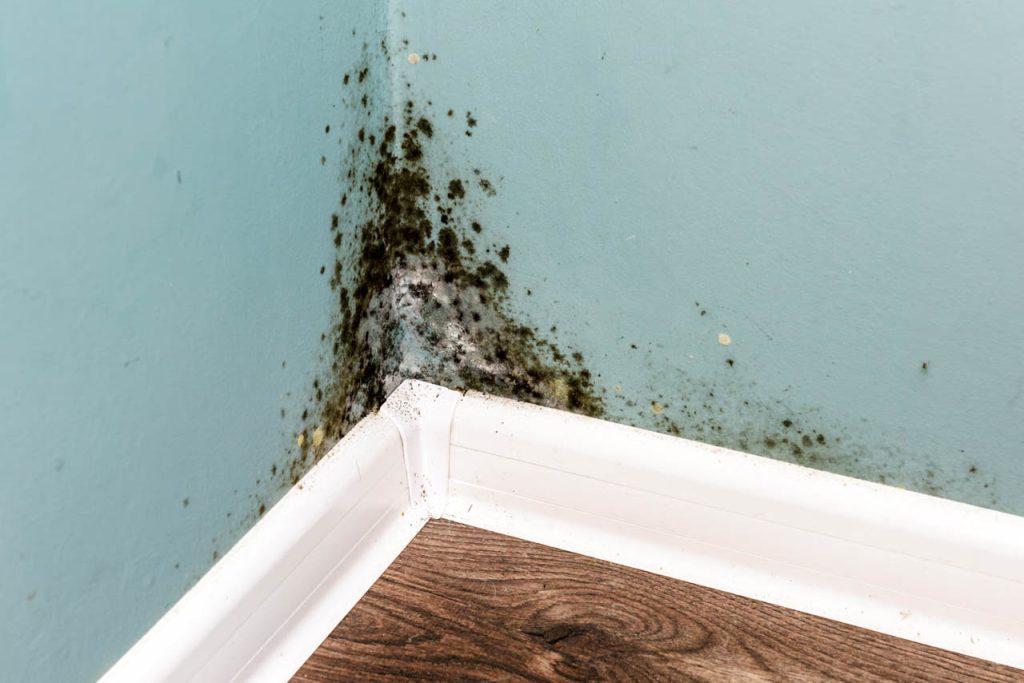
Beyond structural damage, there is a significant health hazard in the form of mold and mildew. That “amoy amag” or musty smell isn’t just an inconvenience; in our humid climate, mold thrives and releases spores that can cause respiratory issues for children and the elderly. If you see black spots on your ceiling, your waterproofing has already failed.
Perhaps most surprisingly, water poses a major fire risk. Leaks often follow the path of least resistance, which is frequently through electrical conduits. When water hits a junction box or a light socket, it can cause a short circuit, leading to devastating electrical fires.
Critical Areas for Pinoy Homeowners
Homeowners must pay special attention to the roof deck, which is the most common culprit for leaks. Without a proper polyurethane or cementitious membrane, a flat roof deck essentially becomes a future pond. Similarly, the toilet and bath areas on the second floor require careful sealing; improper waterproofing here leads to “an-an” or unsightly water stains on the ceiling of the room below. In dense neighborhoods, firewalls are also a major concern, as they are often left unpainted or poorly sealed, allowing moisture to seep into your neighbor’s or your own living space.
Why Summer is the Best Time
The absolute best time to waterproof your home is right now, during the summer season. While it might be the last thing on your mind while the sun is beating down, this is the only time when the concrete is truly “thirsty” and free of deep-seated moisture. Applying membranes during the dry months ensures maximum adhesion and allows the product to cure perfectly without the threat of a sudden afternoon downpour washing away your hard work.
When protecting your home, remember that you shouldn’t just paint; you must seal. A standard latex paint isn’t a waterproof membrane, so you should always look for elastomeric coatings that have the ability to “stretch” over hairline cracks as they form. You should also make it a habit to check your gutters and ensure your “alulod” is completely clear of leaves and debris before the typhoon season begins. Taking advantage of the summer heat to perform these inspections and applications will save you the stress and higher costs of emergency repairs once the rains finally arrive.
Waterproofing isn’t an “add-on”; in the Philippines, it is a structural safeguard. Protect your family and your investment by sealing your home while the sun is out. Build it once, build it right, and stay dry!