
We have all been there. You walk into your local hardware store, pick up a can of premium paint, and then reach for the cheapest, most basic paint roller sitting on the bargain shelf thinking that a roller is just a roller. But a few hours into your project, that budget-friendly decision usually turns into a major headache. You either find yourself staring at a textured, bumpy finish that looks like a rough orange peel on your smooth bedroom drywall because the wrong fibers dumped the paint unevenly, or you are exhausting your arm muscles trying to force paint into the deep, sandy crevices of an outdoor concrete firewall without the plush cushioning needed to reach those raw, grey patches of bare cement. We know that your final finish is only as good as the tool transferring the paint. To get a professional, flawless look, you have to understand how to match the right roller material to the surface of your home.
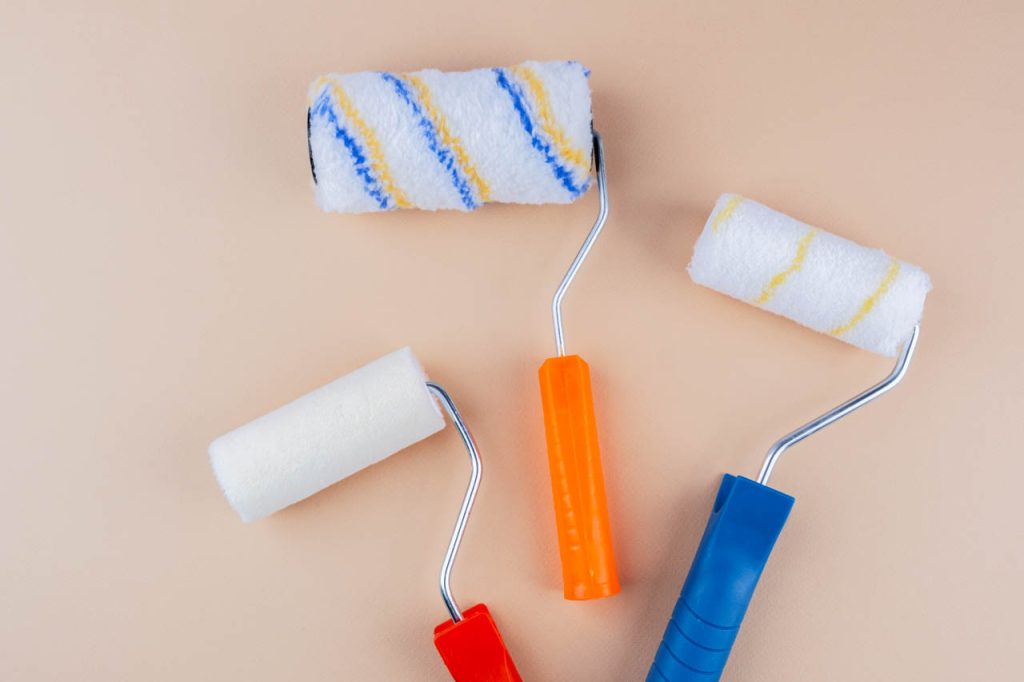
The Foam Roller: Best for Ultra-Smooth Finishes
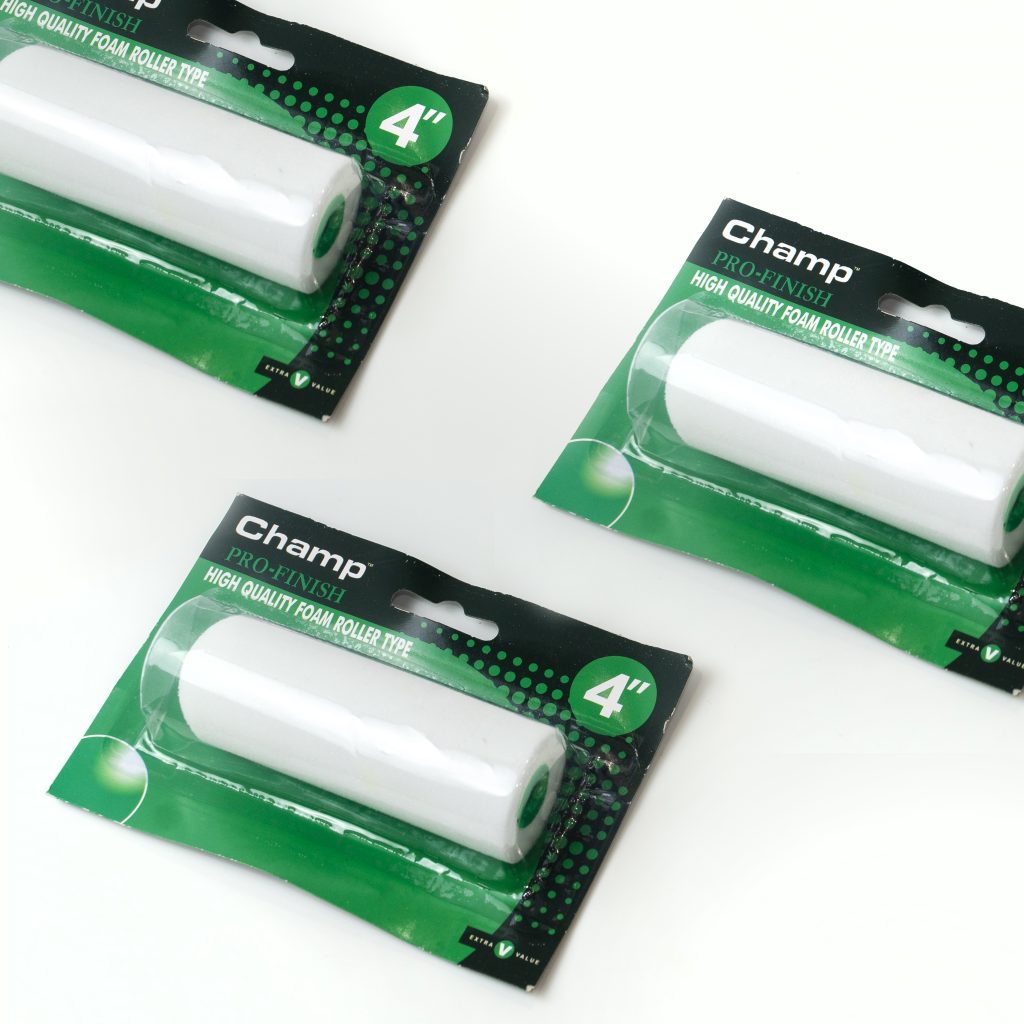
For ultra-smooth interior surfaces like wooden cabinetry, doors, or newly plastered gypsum and fiber-cement boards, the standard 4-inch foam “baby roller” is your best friend. Because foam is completely flat and has zero fibers, it holds a very controlled, minimal amount of paint and lays it down in a perfectly uniform sheet. If you make the mistake of using a thick, fluffy cotton roller on a smooth wooden cabinet, the long fibers will release too much paint too quickly, leaving behind a highly visible, stippled texture that completely ruins your clean, modern aesthetic.
Cotton and Fabric Rollers: The Standard for Concrete Walls
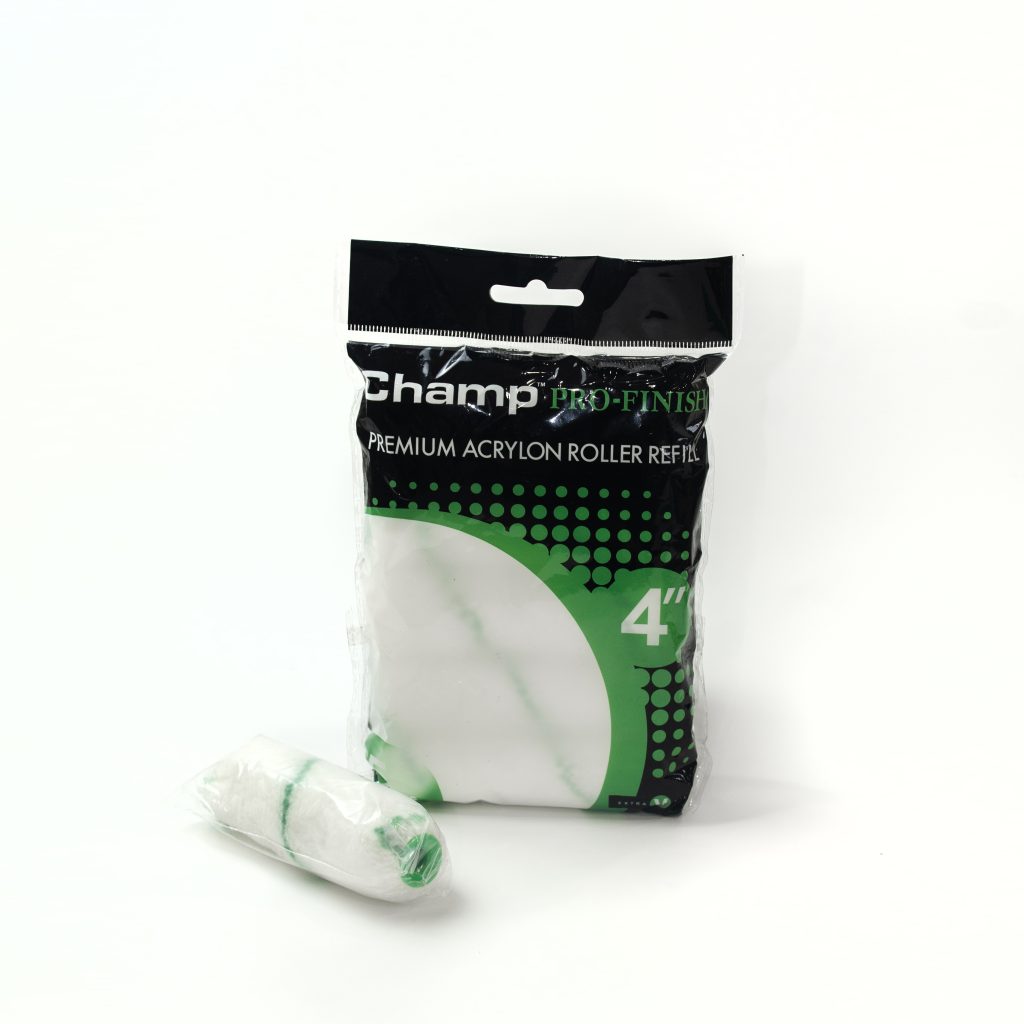
When you transition to standard interior concrete walls, your toolkit needs to change to a standard 7-inch or 9-inch cotton fabric roller. For hand-plastered cement walls inside typical Filipino homes, a medium-density fabric roller with a fiber thickness of around 10 mm to 13 mm is the ideal go-to choice. This thickness has just enough cushion to reach into minor masonry imperfections while maintaining a smooth overall finish.
However, if you are painting highly textured surfaces like bare concrete hollow blocks, rough stucco, or outdoor firewalls, you must look for heavy-duty, long-fiber shag rollers measuring between 15 mm and 20 mm in thickness. These long, plush fibers act like a deep cushion, holding a massive amount of paint and physically bending to reach deep into the heavy pits and grout lines of concrete blocks, ensuring complete coverage in a single pass without leaving raw, grey patches behind.
Quality Standards: How to Spot a Durable Roller Sleeve
Beyond the thickness of the fibers, the quality of the roller material itself dictates whether your project goes smoothly or turns into a messy disaster. Cheap, unrated rollers are notorious for shedding loose threads directly into your wet paint, leaving behind dried, hairy bumps on your freshly painted walls that are incredibly difficult to remove once dry. Achieving a professional finish requires a standard-first approach, meaning you should always look for lint-free, shed-resistant synthetic fibers like woven polyester, polyamide, or high-density microfiber. These materials are engineered to hold their shape under pressure, absorb paint evenly without dripping, and release it smoothly onto the masonry without shedding a single thread.
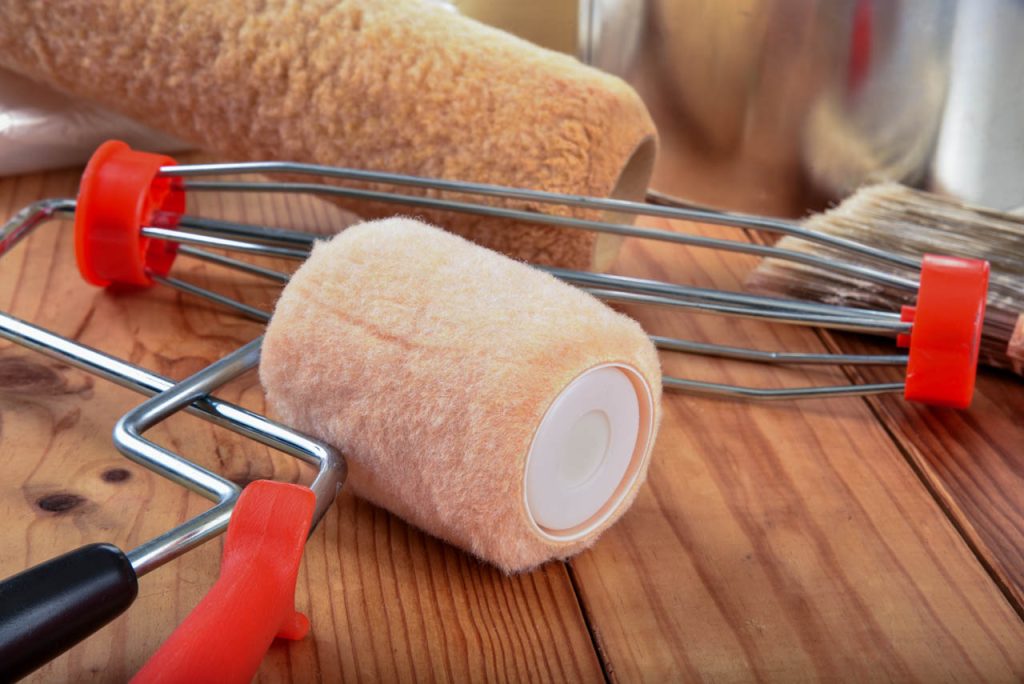
The Frame Matters: Investing in Heavy-Duty Cages
This standard of durability and shed-resistance is exactly why professional painters look for tools that are engineered specifically for demanding, high-humidity jobsites. When you are ready to invest in your painting gear, you need a frame that won’t flex, rust, or fail midway through a long day of application. Look for heavy-duty steel roller cages with five or wire frames that hold the sleeve securely without slipping. A premium frame should also feature a threaded handle base, allowing you to securely attach an extension pole for high walls and ceilings without the risk of the tool wobbling or disconnecting mid-stroke.
Partner Spotlight: Building with Champ.
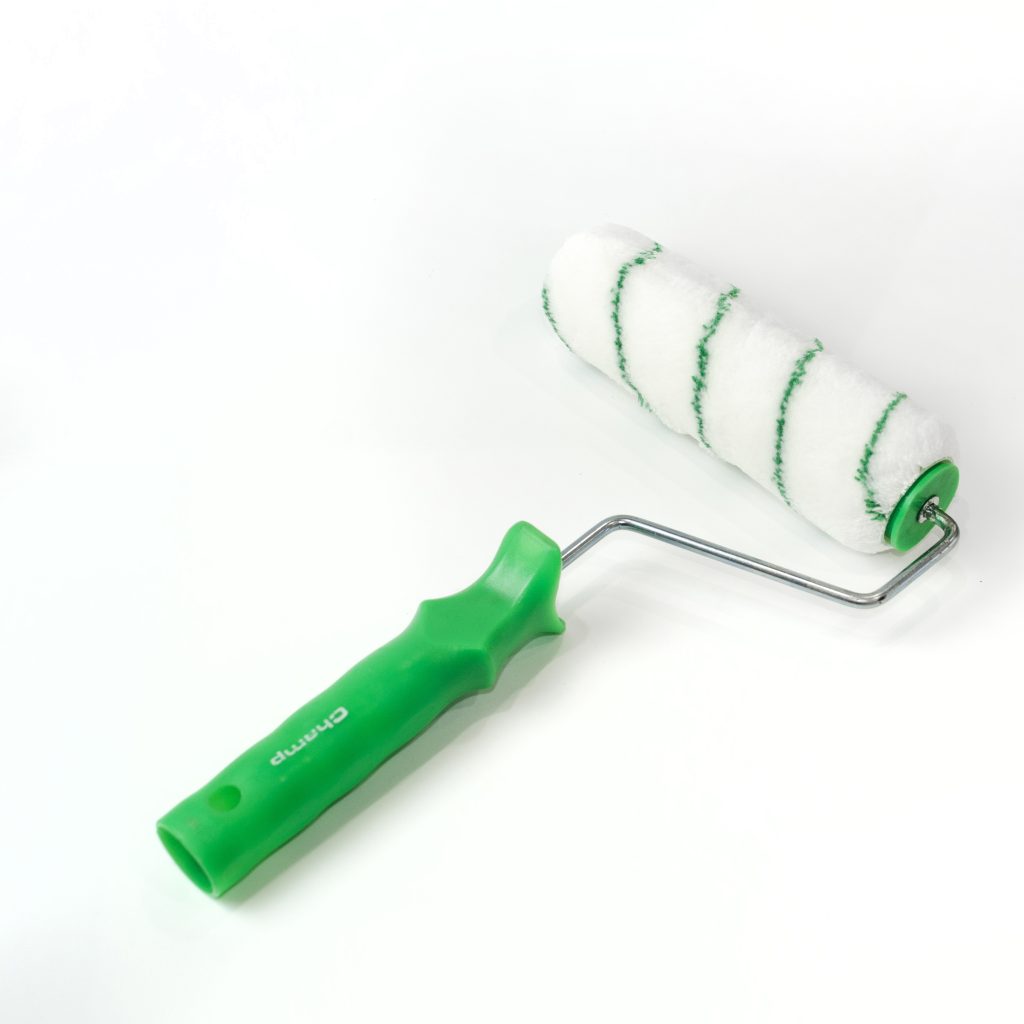
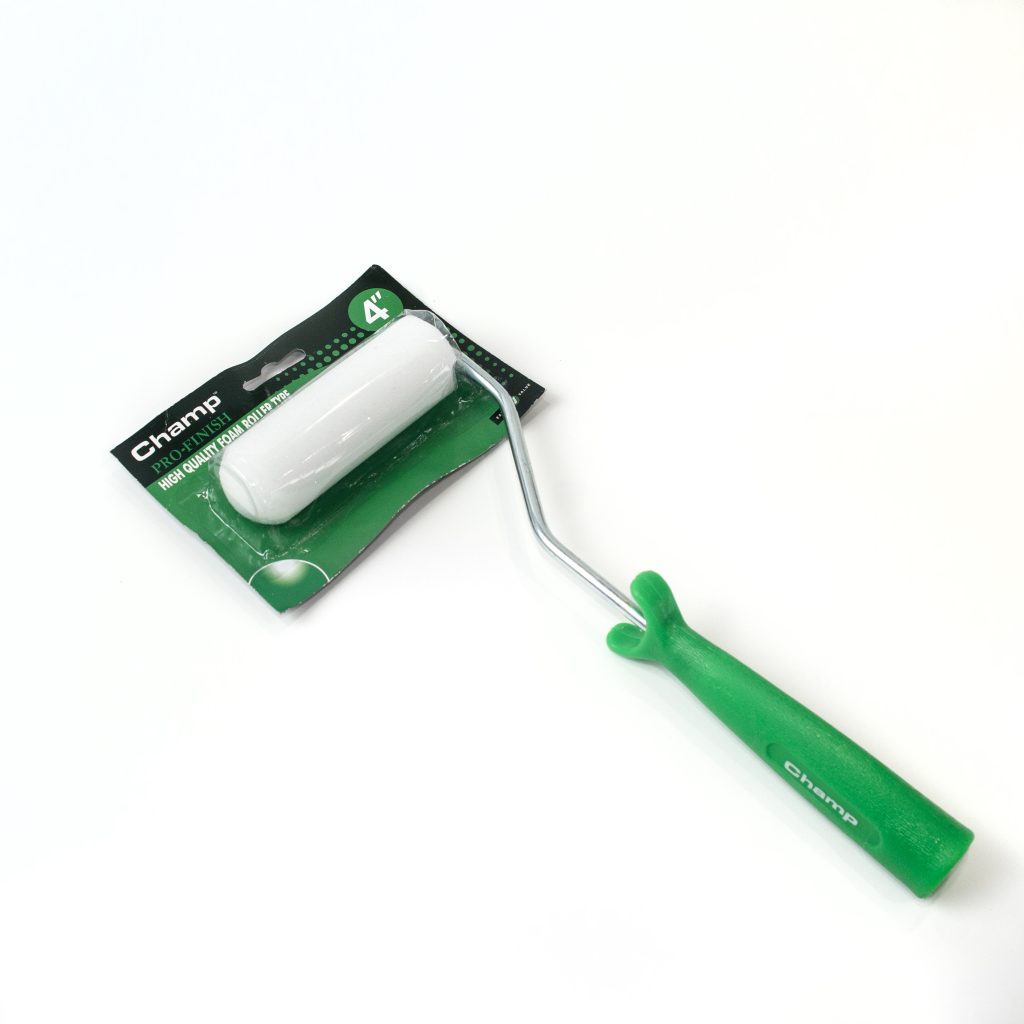
To help you achieve this professional look, we have partnered with Champ, a trusted name in local construction tools. Champ’s premium line of rollers is specifically engineered to eliminate the most common painting headaches by offering specialized four-inch premium foam baby rollers for ultra-smooth woodwork alongside their versatile four-inch, seven-inch, and nine-inch premium acrylon cotton rollers for standard concrete walls. By pairing these shed-resistant, lint-free sleeves with ergonomically designed handles that distribute pressure evenly, Champ provides a professional-grade painting system that protects both your hands and your project margins. Best of all, these high-quality sleeves are available as convenient, refill-only options, allowing you to invest in a single ergonomic handle and simply swap out the affordable sleeves for future projects.
Ultimately, a beautiful wall is the result of matching your tools to your masonry. By using compact foam baby rollers for your smooth cabinetry and saving heavy-duty, thick acrylon cotton rollers for rougher masonry walls, you save precious time, reduce paint wastage, and protect your budget from costly back-jobs. Before you start dipping your roller into the tray this weekend, take a close look at the texture of your walls, invest in high-quality sleeves and ergonomic frames that respect your hands, and enjoy a flawless finish that is built to last.
Planning a home makeover? Keep following us here on JuanToBuild.com for more practical tool breakdowns, material spotlights, and structural advice to help you build your dream home right the first time.