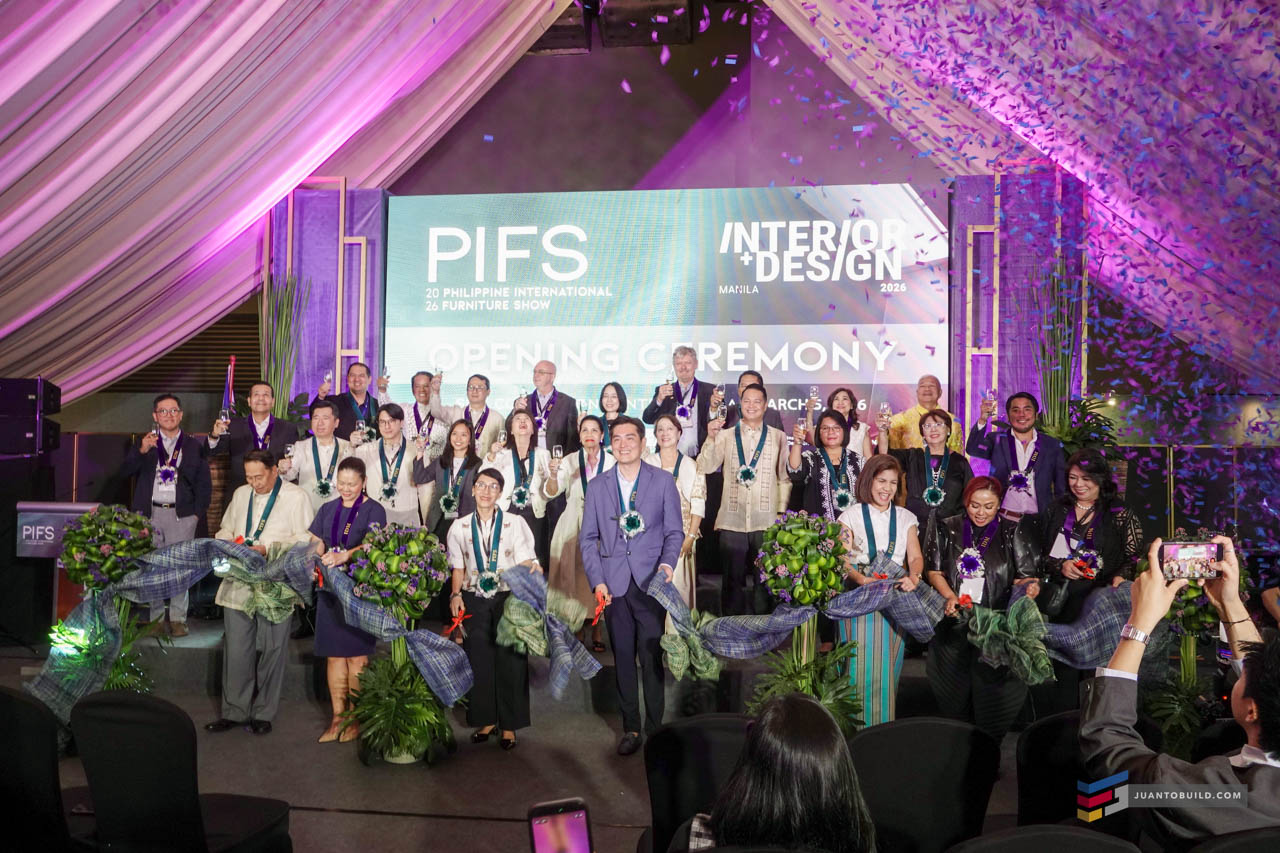
The dust is about to settle at the SMX Convention Center Manila, but the creative resonance of the Philippine International Furniture Show (PIFS) and Interior & Design Manila (IDM) 2026 continues to vibrate throughout the industry. The event wasn’t just two separate trade shows, it was a singular, cohesive exploration of how we live, how we feel, and the materials that make those experiences possible.
A Landscape of “Modern Heritage”
This year’s event was more than a trade show; it was an immersion into the soul of Filipino and Global Filipino artisans. Visitors moved through a landscape of unique, highly-eccentric, and handcrafted designs. From striking “talking pieces” that demand attention to curated outdoor resort themes designed for tranquility, the 2026 edition was dedicated to bringing life and connection back into our homes, hotels, and commercial spaces.
As the boundaries between work, wellness, and home continue to blur, PIFS and IDM 2026 served as a critical compass, addressing the “Curated Wellness” sought by the modern Filipino.
The Heart of the Show: PIID “Future Five”
The defining feature of this year’s combined event was the Philippine Institute of Interior Designers (PIID) Future Five exhibition. This curated space acted as the intellectual anchor for the show floor, featuring five emerging leaders who are redefining the Filipino interior landscape. By placing these designers at the center of the exhibition, PIFS & IDM 2026 moved beyond “selling furniture” and toward “solving living.”
Key Installations from the Future Five:
“Express” by Katrina Lopez-Ong (WKND Design): Lopez-Ong introduced the concept of “personal authorship,” where interiors are not static but evolve alongside the inhabitant. By using movable elements, artworks, and tools that can be edited and rearranged, “Express” demonstrated how a space becomes a flexible extension of identity, quietly intentional and shaped by everyday choices rather than fixed functions.
“Restore” by Angelica Mara Manalo (Studio Mara): Manalo’s installation explored how interiors can support essential moments of quiet renewal. “Restore” softened the pace of everyday life through layered earth tones, natural textures, and refined forms. With diffused lighting and a focus on stillness, the space became a sanctuary where familiar rituals and thoughtful design merged to create a profound sense of calm.
“Connect” by Samantha Felisse Concha (Sauv Design Studio): This installation highlighted the influence of lighting on the human experience. Using deep tones, soft finishes, and gentle illumination paired with greenery, the living room setup was designed to ease visual fatigue and invite conversation, proving that thoughtful interiors influence how people feel within a space.
“Focus — The Adaptive Focus Room” by Louie Gotinga and Chel Aquino (Siglo Interiors): Addressing the modern need for cognitive recovery, this installation utilized a “circadian dome” to mirror natural light cycles, allowing a single room to transition seamlessly from a high-productivity zone to a rest area.
“Arrive” by Mauro J. Nepomuceno Jr. (MN Design Studio): This installation focused on the “transition point”, the foyer or lobby, exploring how these entry spaces ground the inhabitant and set the emotional tempo for the entire home or building.
Where Fashion Meets Furniture: KARIKTAN and Beyond
One of the most groundbreaking moments of the week was KARIKTAN: A Furniture Fashion Show. This runway event featured elite partnerships that blurred the lines between the garment and the gallery. Notable collaborations included:
- Mak Tumang x JB Woodcraft
- Philip Torres x Albero
- Ditta Sandico x Calfurn
- Marlon Tuazon x Philiana
- Mich Viray x P&B
- Frederick Policarpio x Las Palmas
- Rhon Balagtas x Venzon Cris
- Adrian Sahagun x A. Garcia
In a powerful tribute to the Ayala Foundation, the Fashion Pavilion also celebrated the intersection of high fashion and social responsibility. By featuring collections that utilized heritage crafts from the Foundation’s beneficiary communities, the event ensured that every acquisition was a direct investment in the sustainable future of Filipino artisans.
Empowering the Backbone: DTI and the Rise of MSMEs
Central to the success of this year’s expo was the robust presence of Micro, Small, and Medium Enterprises (MSMEs), made possible through the unwavering support of the Department of Trade and Industry (DTI). By providing critical subsidies, logistical support, and a prestigious avenue to exhibit, the DTI ensured that local artisans from across the archipelago had the opportunity to compete alongside industry big players. This government-backed initiative allowed smaller Filipino brands to showcase their products to a world-class audience of international buyers and visitors, effectively bridging the gap between local craftsmanship and global commercial viability. By fostering this inclusive environment, the DTI transforms the expo floor into a level playing field where quality and innovation, rather than company size, take center stage.
Knowledge and Networking
For the professionals in attendance, the event was a hub of intellectual growth. The PIID hosted specialized CPD seminars and design talks, while the Philippine Institute of Architects (PIA) held its prestigious 93rd National Convention.
The future of the craft was also on full display during the 3rd OBRA Edition: Student Design Competition, where “disruptive” new styles from next-gen makers challenged traditional norms. Meanwhile, the Business Matching Networking Event successfully bridged the gap between local makers and global trade buyers.
JuanToBuild.com is proud to have covered this pivotal moment in Philippine design. Whether you are a homeowner seeking lasting beauty or a developer looking for commercial reliability, the designs debuted this March will surely define our spaces for years to come.