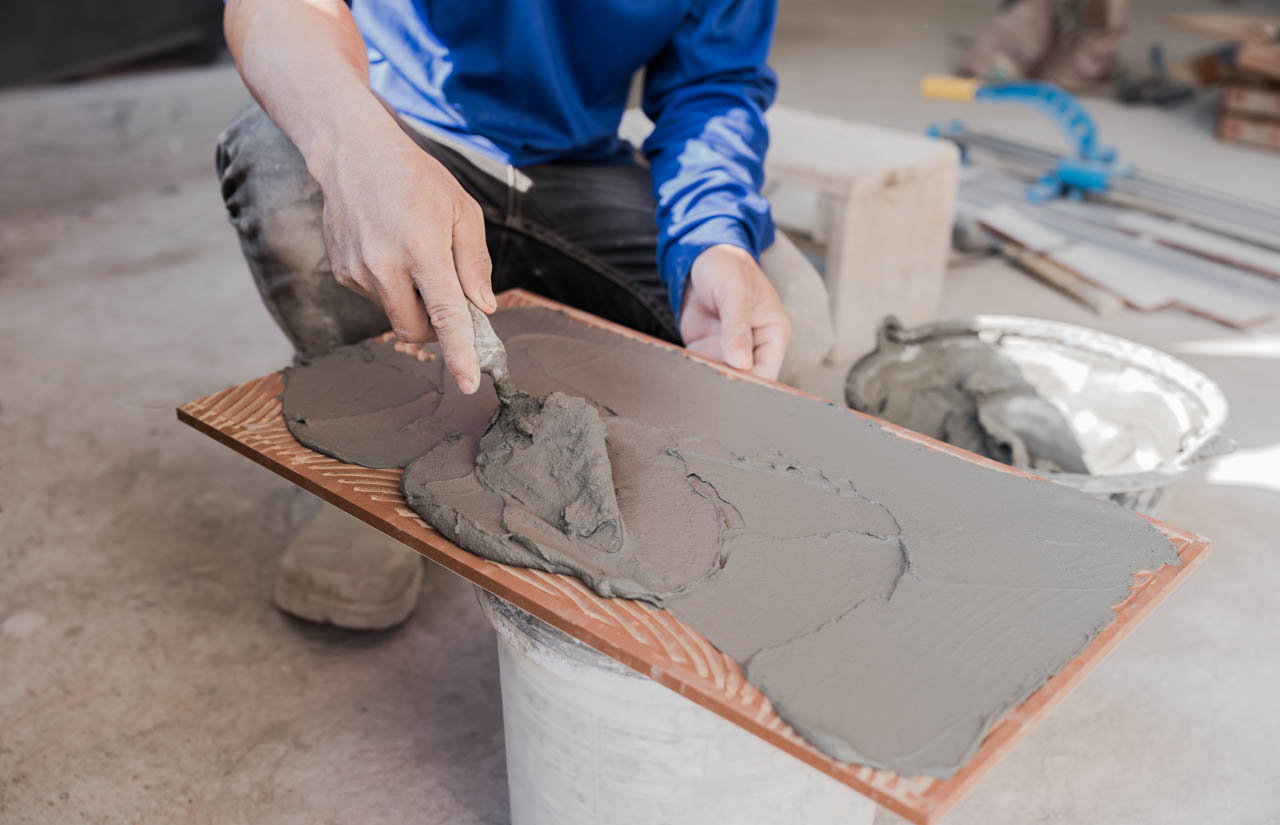
We have all walked across a freshly tiled floor, tapped a shoe on the surface, and heard that hollow tok-tok sound. In local construction, that air void under your floor is called katok, and it is usually the first warning sign that your tiling job is on borrowed time. For generations, the standard practice in the Philippines has been setting tiles using purong semento, a thick slurry of raw Portland cement mixed with water.
It is completely understandable why this tradition has lasted so long. Hearing the word “cement” instantly brings to mind foundation pillars, concrete highways, and indestructible high-rise walls, which gives everyone the impression that raw cement must be the strongest thing on the jobsite. But just because concrete is incredible at supporting massive downward loads does not make raw cement the right material for sticking two smooth surfaces together. Tiling requires surface adhesion, moisture retention, and micro-flexibility; three critical jobs raw cement slurry was simply never designed to handle.
As pure cement cures, it undergoes significant shrinkage, pulling away from both the concrete slab and the back of the tile to leave empty pockets underneath. The Philippine climate only worsens this reaction. High ambient heat and warm floor slabs rapidly suck the water out of wet cement before it can cure correctly. Instead of a rock-solid base, you end up with a dry, brittle layer that fractures the moment someone drags a heavy dining table or drops a household object.
Modern tile choices have made raw cement even more outdated. Older ceramic tiles had porous backs that allowed wet cement to soak in and grab hold, but today’s popular porcelain and large-format tiles are extremely dense and non-absorbent. Trying to stick a non-porous porcelain tile down with raw cement slurry is like trying to glue two sheets of smooth glass together using wet flour. Engineered tile adhesive solves this by incorporating synthetic polymer resins. These additives create a flexible chemical bond that acts like microscopic double-sided tape, clinging stubbornly to smooth porcelain surfaces.
House foundations and floor slabs also move far more than most people realize. Floors expand under the blazing afternoon sun, contract when cooled by rain or air conditioning, and flex under everyday foot traffic. Raw cement cures into a completely rigid mass that snaps when the underlying slab moves even a fraction of a millimeter. Tile adhesive remains slightly pliable after curing, functioning as an internal shock absorber that flexes alongside natural structural movement instead of snapping the bond and popping your tiles loose.
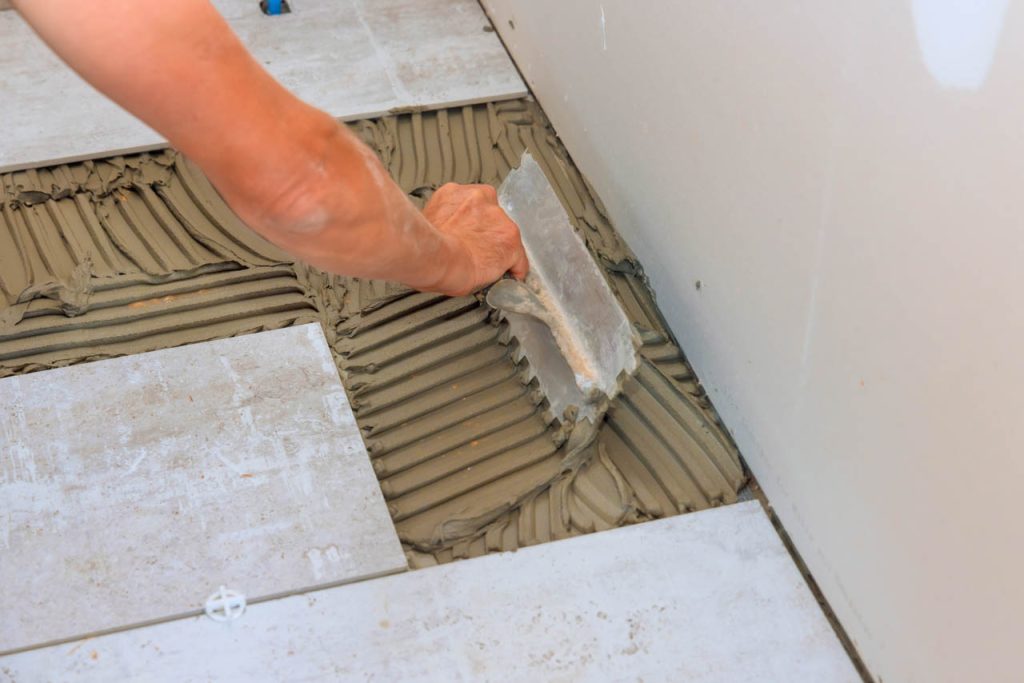
While a bag of raw cement seems cheaper at the hardware store, applying it requires a thick, heavy layer that wastes material and forces masons to level every tile piece by piece with a rubber mallet. Tile adhesive is combed out thin and uniform using a notched trowel, achieving full coverage with significantly fewer bags. When you calculate faster installation, zero tile loss from pre-soaking ceramics in water buckets, and the total elimination of costly back-charges for fixing hollow tiles later on, engineered adhesive easily proves to be the smarter, more economical choice.
Upgrading your tiling method is not about burning cash on unnecessary products; it is about protecting your build investment from day one. Choosing engineered tile adhesive over raw cement slurry guarantees your floors stay level, quiet, and solidly bonded for decades. When you compare a tiny upfront price difference per bag against the massive headache and expense of tearing up a ruined floor a year after turnover, the call is simple: retire the purong semento habit and use the right adhesive engineered for the job.