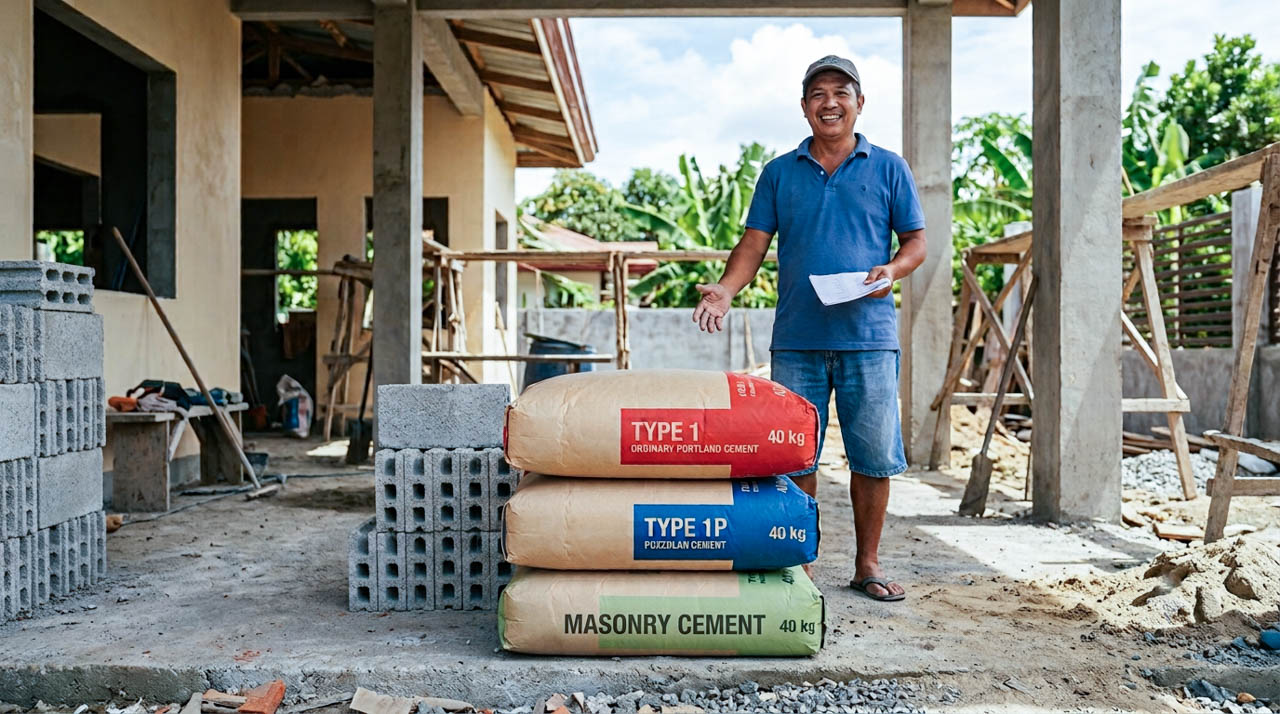
The Hardware Counter Habit. When you walk into your neighborhood hardware store to order materials for your dream home, it is incredibly easy to just point at the counter and ask for a certain number of bags of semento. Most of us treat cement as a simple, generic grey powder that acts as the glue for our walls, columns, and floors. But ordering your binding materials this way is a massive gamble with your structural safety and your budget. The truth is that different bags of cement are engineered for completely different purposes on the jobsite, and using the wrong type for your columns or plaster is one of the most expensive mistakes you can make on site.
Type 1 Ordinary Portland Cement. This is the undisputed heavy-duty champion of structural concrete. Often packaged in distinct light grey or yellow-branded bags, Type 1 cement is pure, high-strength binder designed specifically for load-bearing elements like foundations, columns, beams, and suspended slabs. Because it contains no added mineral blends, it cures rapidly and develops massive compressive strength within its first twenty-eight days. However, this fast curing process generates a lot of internal heat, meaning your construction team must be highly disciplined with wet-curing to prevent the concrete from cracking as it dries under our intense midday sun.
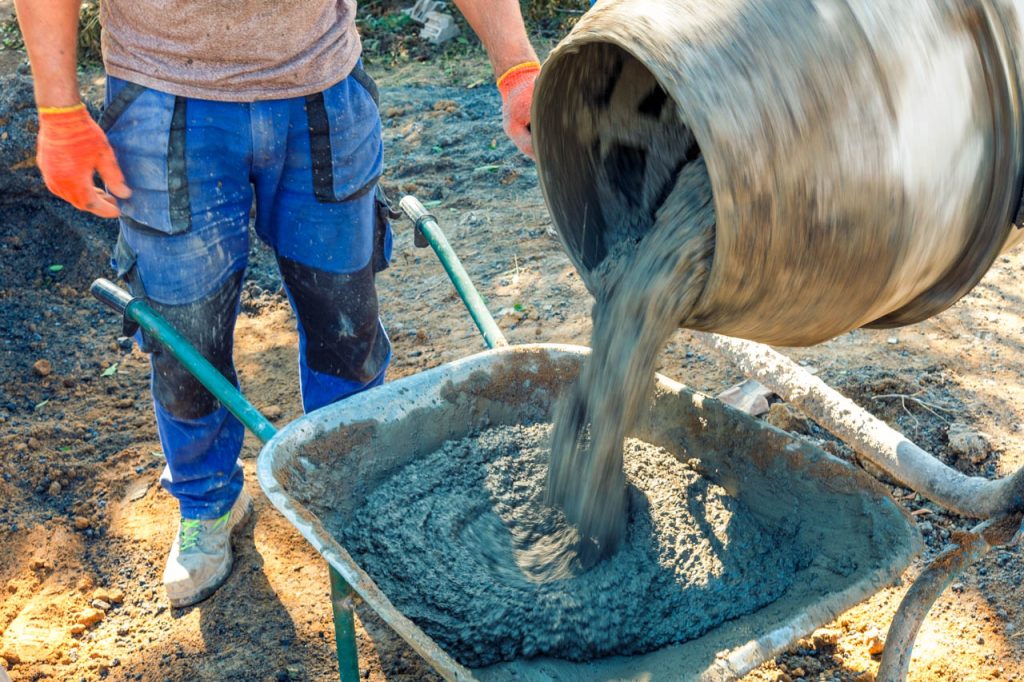
Type 1P Pozzolan Cement. This is our tropical climate’s best friend. Typically packaged in blue or green-branded bags, Type 1P is a blended cement that mixes traditional Portland clinker with volcanic ash or other pozzolana materials. This volcanic addition slows down the chemical curing process, which significantly reduces the internal heat generated as the concrete dries. Because it keeps cool during curing, Pozzolan cement is highly resistant to thermal cracking, making it the absolute best choice for expansive ground slabs, driveways, exterior walls, and general plastering work. It also creates a denser, less porous concrete skin over time, which provides an excellent shield against moisture penetration during the heavy downpour of our rainy season.
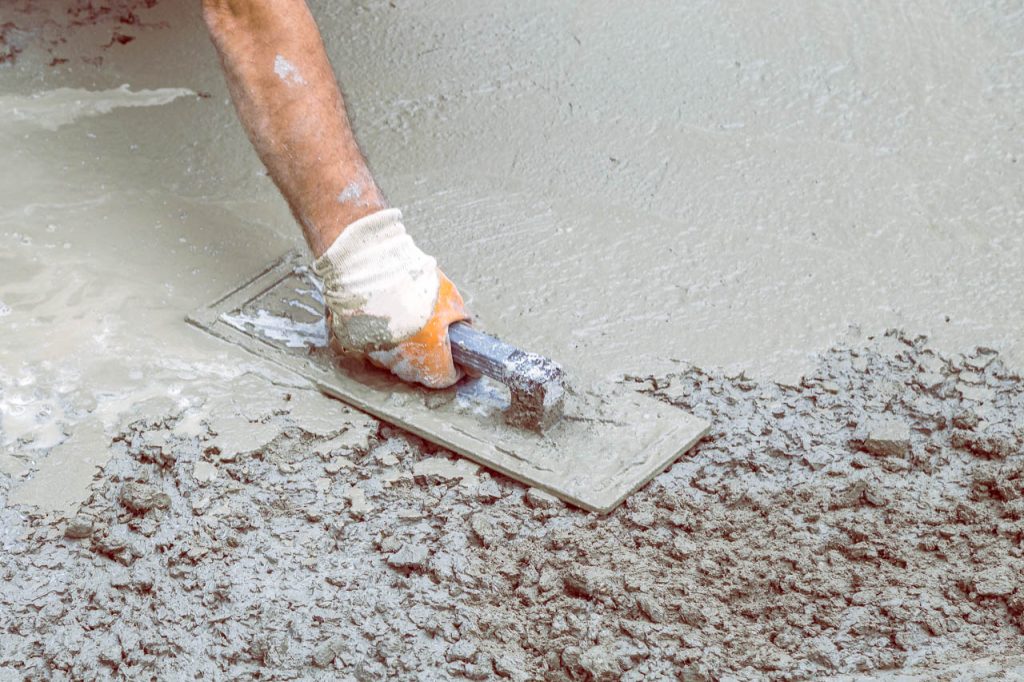
Specialized Masonry Cement. This is the specialized bag you should never use for load-bearing structures. Often color-coded differently or clearly marked for plastering, masonry cement is pre-mixed with limestone and special plasticizing additives to make the mortar incredibly buttery, soft, and easy for your masons to spread. It is the absolute standard for bricklaying, laying concrete hollow blocks, and applying smooth wall plasters because it holds moisture beautifully and sticks to surfaces without sliding off. However, because it is engineered for workability rather than raw load-bearing capacity, using masonry cement to pour your columns or foundations is a critical safety violation that can lead to catastrophic structural failure over time.
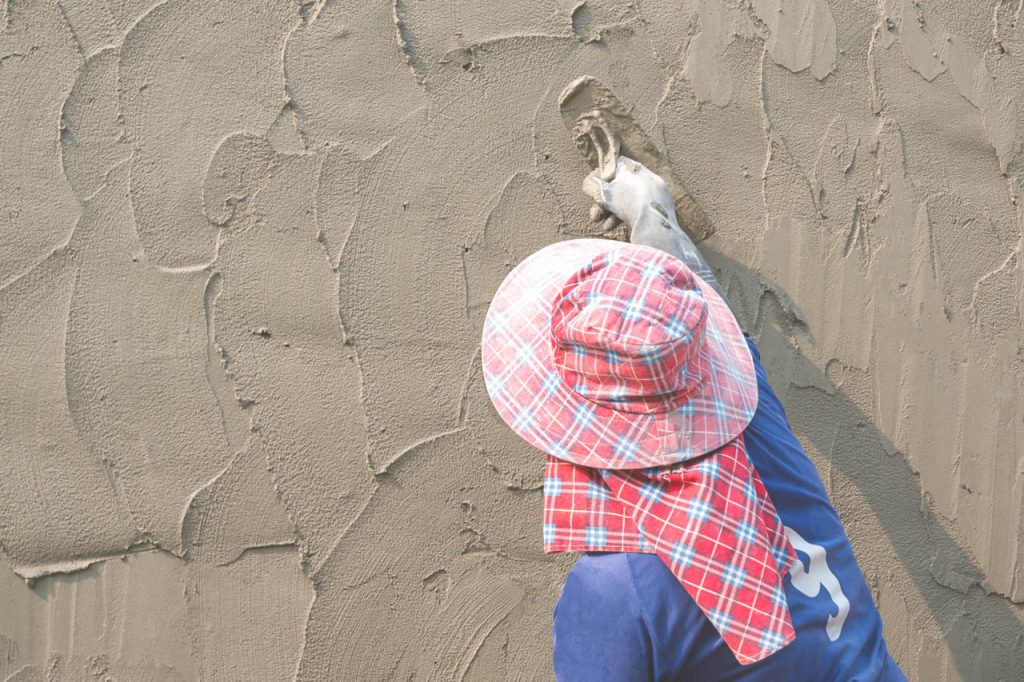
Managing your cement bags on site is just as important as choosing the correct type of binder. Cement is highly sensitive to moisture, and a standard 40 kg paper bag offers very little protection against the intense humidity of our rainy season. If a bag of cement absorbs even a tiny amount of moisture from the air or the ground, it will undergo pre-hydration, forming hard lumps inside the bag that permanently ruin its binding strength. Always instruct your contractor to store cement bags inside a dry, fully enclosed shed, stacked neatly on elevated wooden pallets at least six inches off the concrete floor. For extra protection during stormy weather, wrapping the entire stack in a heavy-duty plastic canvas or canvas tarp will keep the moisture out, ensuring every bag remains loose, fresh, and ready to build.
A Quick Disclaimer for Smart Builders. While there are many other specialized industrial cement variants, high-performance chemical blends, and custom structural recipes used in major infrastructure projects, deep-sea ports, or rapid-highway pavement reconstructions, those heavy-duty materials are not covered in this basic primer. This guide is specifically designed to focus on the three most common, accessible bags of cement you will encounter on the shelves of your local neighborhood hardware store, giving you the essential knowledge to make smart decisions at the retail counter.
Building a home is a journey of precision and care. For more practical, zero-hype material guides, site checklists, and structural advice designed for our tropical climate, keep following us right here on JuanToBuild.com.