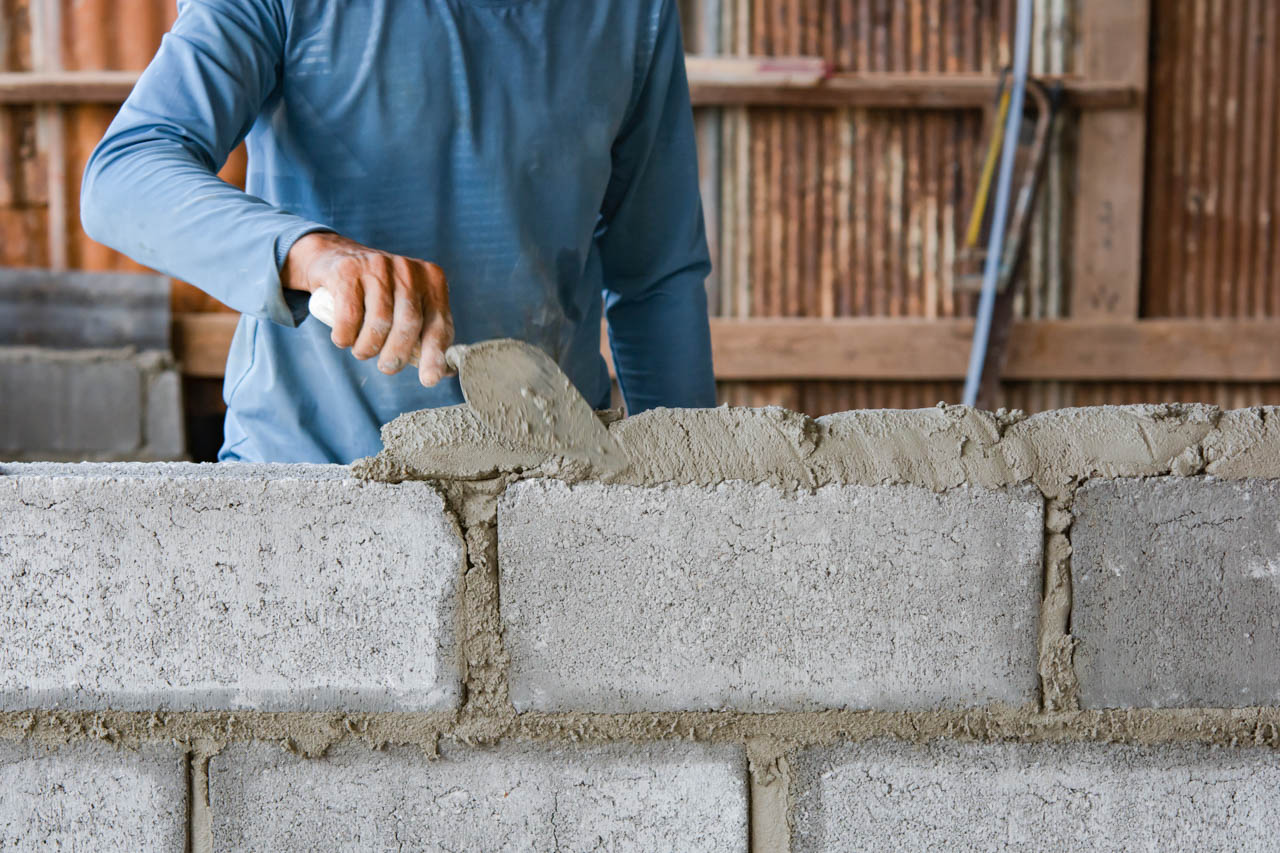
When planning a home renovation or adding a new room division inside a house, one of the first decisions you need to make is choosing the material for your interior walls. For a very long time, the traditional go-to choice for wood framing has been good lumber or coco lumber because it is familiar and easy to nail together. However, an even bigger norm in the Philippines is using Concrete Hollow Blocks (CHB) for interior partitions. Many homeowners default to CHB because they feel a hollow block wall is the only way to get true strength, solid security, and good soundproofing inside a Filipino home. While CHB is incredibly tough, using heavy masonry for internal room dividers comes with massive hidden downsides in terms of weight, space, and cost.
Using CHB for interior walls creates a highly labor-intensive and messy construction process. Building a hollow block wall requires mixing heavy cement, stacking blocks one by one, installing steel rebars, plastering both sides, and waiting days for everything to fully dry before you can even think about painting. This adds weeks to your construction schedule. Furthermore, CHB walls are incredibly thick and heavy, which adds massive “dead load” weight to your house foundation and takes up valuable square meters of floor space inside a room. Running utilities is also a nightmare with CHB; electricians have to manually chip away at the solid concrete walls to bury pipes and wires, creating a huge amount of dust, noise, and material waste.
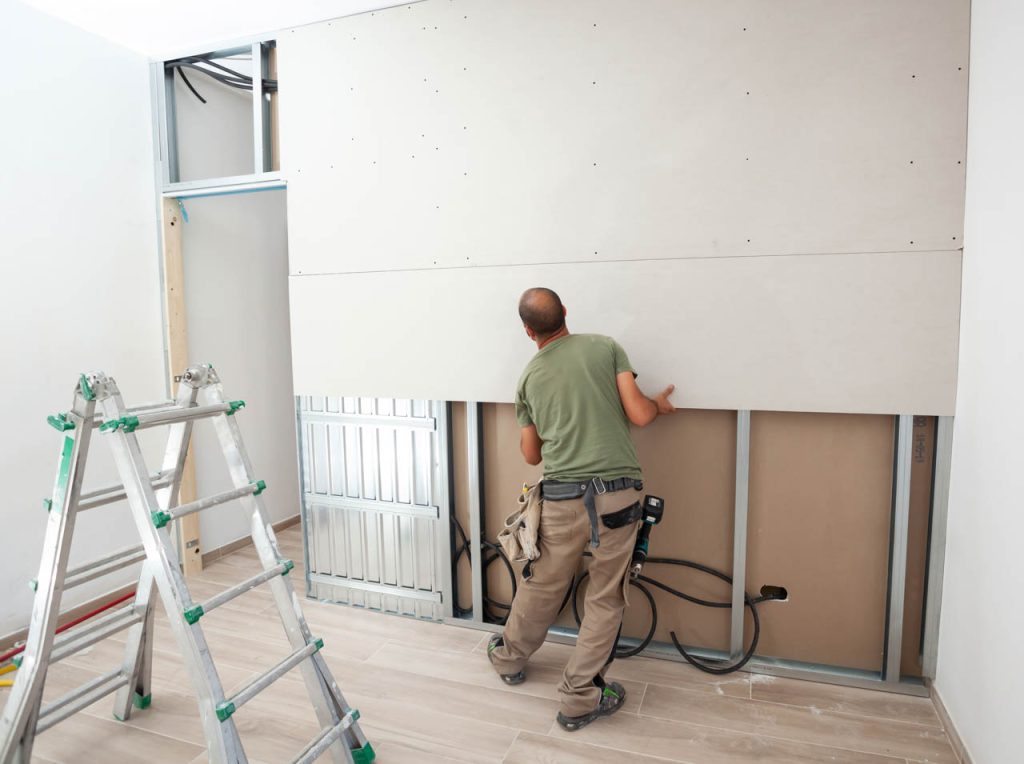
This is where light-gauge metal studs come in as a much better overall alternative for interior walls. These are lightweight, zinc-coated steel channels that easily clip and screw together to form a perfectly straight grid for your walls, which are then covered with smooth drywall or fiber-cement boards. Unlike CHB, a metal stud partition wall can be framed, insulated, and boarded up in a fraction of the time—often in just a day or two. Because metal stud walls are significantly thinner than a plastered hollow block wall, they actually give you more actual living space inside your rooms. They are also incredibly lightweight, making them perfect for second-floor additions or high-rise condo renovations where you want to avoid adding tons of heavy concrete weight to the structural beams.
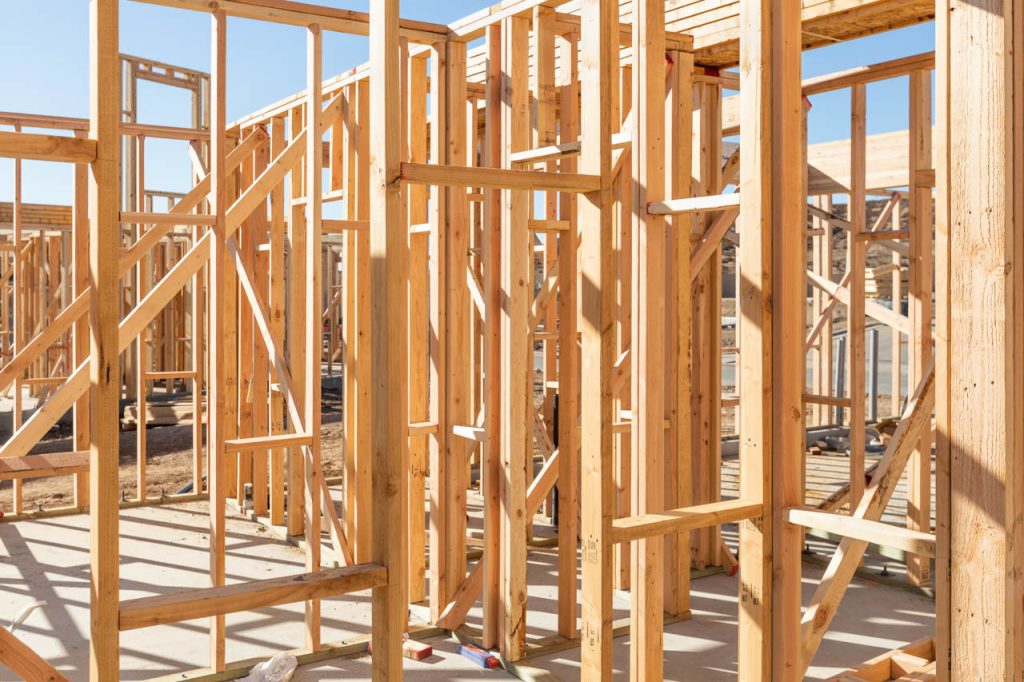
Beyond saving time and space, metal studs completely eliminate the biggest environmental headaches that plague traditional wood framing. Because steel is inorganic, it totally removes the risk of termite infestations, wood rot, and decay, giving you long-term peace of mind without needing to constantly spray for anay. Metal studs also do not care about the changing tropical seasons; they will never warp, twist, or shrink due to humidity like wood does. This means your walls stay perfectly flat and straight for decades, preventing those annoying hairline cracks from forming along the joints of your wallboards.
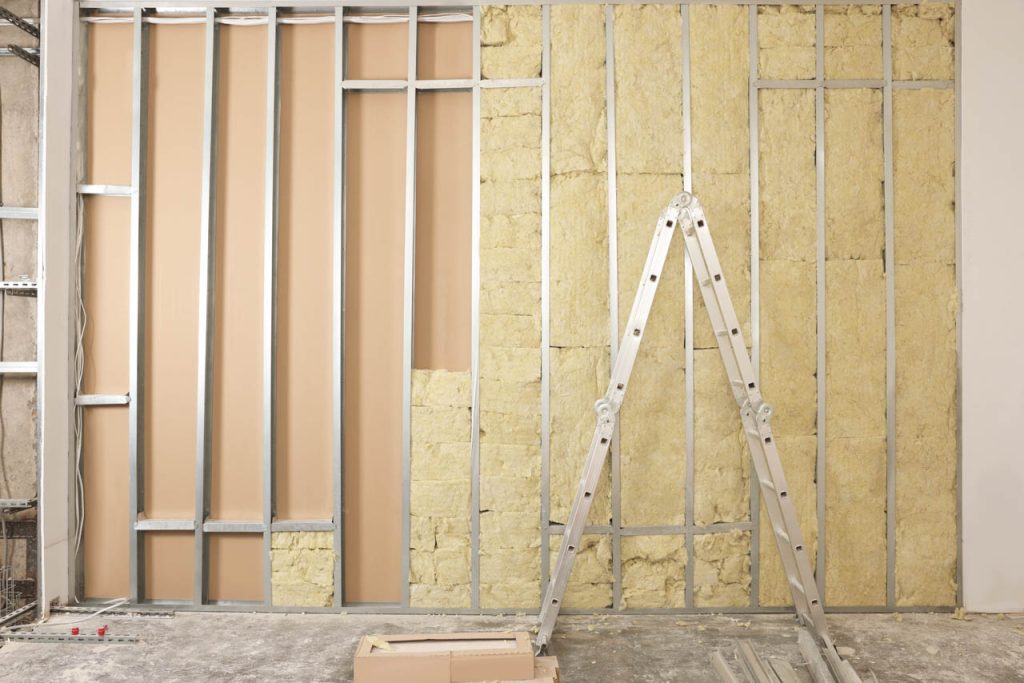
When it comes to running utilities, metal studs are vastly superior to both wood and CHB. Most high-quality metal studs come manufactured with pre-cut holes along their length, allowing your electricians and plumbers to run flexible conduits and pipes straight through the wall framework effortlessly, without any noisy chipping or drilling. If you are worried about the “hollow” feel or sound transmission of a drywall and metal stud partition compared to solid CHB, the fix is simple and inexpensive. You can easily pack the empty cavities between the metal studs with rockwool or fiberglass insulation before sealing the wall. This simple step creates an interior wall that blocks sound just as effectively as a thick concrete block wall, but at a fraction of the weight, mess, and build time.
Choosing the right material ultimately comes down to speed, efficiency, and your structural limits. While CHB will always have its place for exterior security walls and firewalls, modern metal studs offer a faster, cleaner, lighter, and more space-efficient solution for dividing your indoor living spaces. By understanding these practical differences, you can help your build team finish your project ahead of schedule while achieving perfectly smooth, straight, and termite-proof walls.