There’s absolutely nothing worse than finding a wet, dark patch spreading across your freshly painted living room wall. It’s a total nightmare when you realize it’s a leaking pipe buried deep inside your concrete structure!
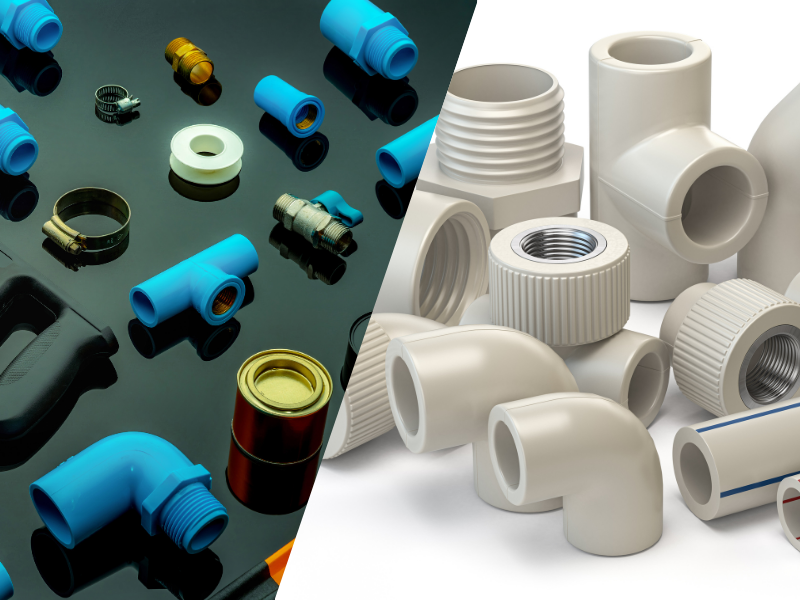
For decades, the standard choice for home water lines in the Philippines was those classic blue polyvinyl chloride (PVC) pipes joined with regular solvent glue. They did the job for generations, but modern home builders are quickly moving over to green polypropylene random copolymer (PPR) pipes.
We think knowing what goes on behind your walls is just as important as choosing the prettiest tiles or paint. After all, the pipes feeding your showers and kitchens today will decide if your home stays bone-dry or turns into a massive, expensive headache in just a few years!
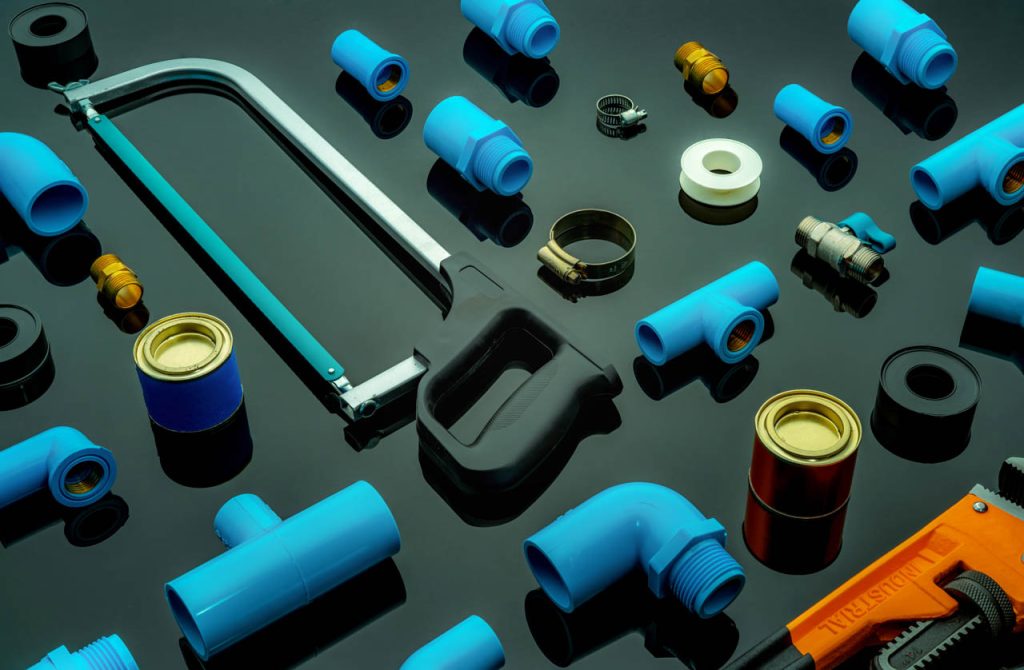
So, why are those old blue PVC pipes slowly disappearing from modern water systems? Well, it all comes down to how they’re glued together! PVC setups rely on solvent cement, which is just a chemical glue that melts the plastic slightly to fuse the pieces as they dry. It holds up okay at first, but that joint is always the weakest link in the whole system. Over the years, constant water pressure, sudden water shocks when you turn off a faucet quickly, and the natural settling of your home’s foundation will wear that glue down. Once that chemical bond fails, pressurized water finds the tiniest gaps, leading to slow, hidden leaks that eat away at your walls and ruin your expensive floors before you even know there’s a problem! Not to mention the accompanying increase on your water bill.
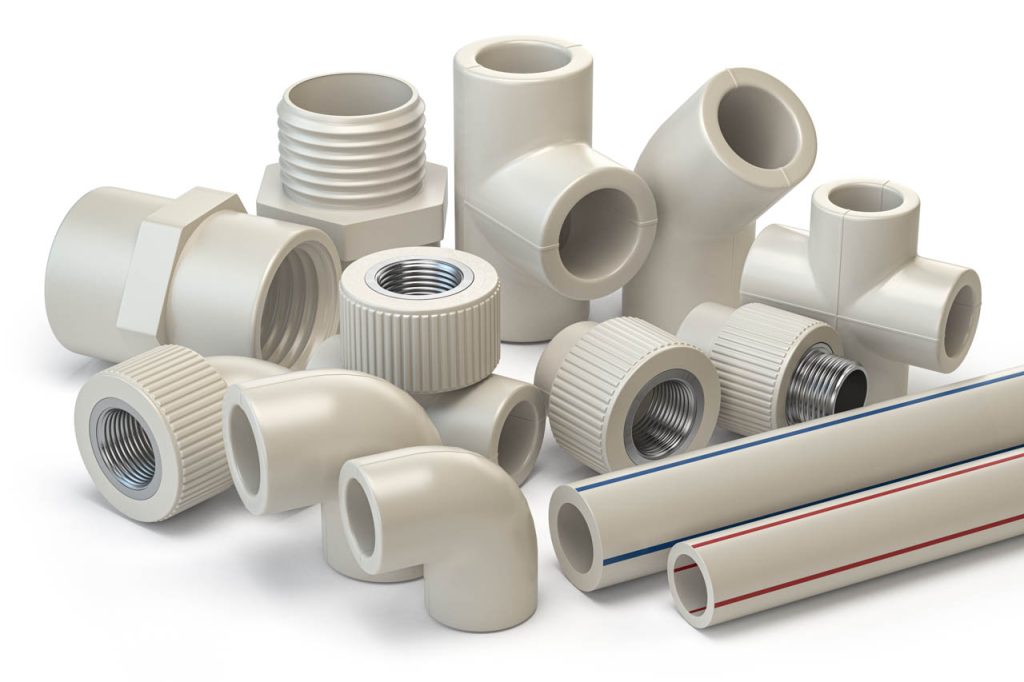
Now, PPR pipes work in a totally different way! Instead of relying on messy glues or threaded connectors, plumbers use a neat tool called a fusion machine heated to around 260 degree Celsius. They melt both the pipe and the fitting for just a few seconds and then push them together without twisting. As the melted plastic cools down, the molecules lock together and turn the two pieces into one single, solid line. Seriously, the joint is no longer a joint! It has the exact same strength and thickness as the rest of the pipe, which completely gets rid of the leaky joints that make glued PVC such a headache!
Another big problem with traditional blue PVC is that it just can’t handle hot water. It easily softens, warps, and can even leak chemicals if it gets too warm, making it a bad choice for hot water lines. If you’re putting in a water heater for your shower or kitchen, using PVC is just asking for a bursting disaster behind your beautiful tiles! On the flip side, PPR pipes are built like a tank when it comes to heat. Standard PN20-rated pipes can easily handle water temperatures up to 95 degree Celsius under high pressure. This makes PPR the perfect go-to choice for both hot and cold lines, meaning you can run a single, worry-free plumbing system all over your house!
While green is the most famous color for PPR in Pinoy neighborhoods, you’ll also spot white and gray pipes at the hardware store. Don’t worry, they aren’t different brands or materials! The colors are just added during manufacturing to help plumbers quickly spot the right pipe for the job. Usually, thick-walled white PPR pipes are rated at PN20 to handle the hottest water lines. Green pipes, especially ones with a blue stripe, are standard for your cold, clean drinking water lines. Then you have gray pipes, which use a special fiber core to stop the pipe from expanding or sagging over long, straight runs in crawlspaces or attics.
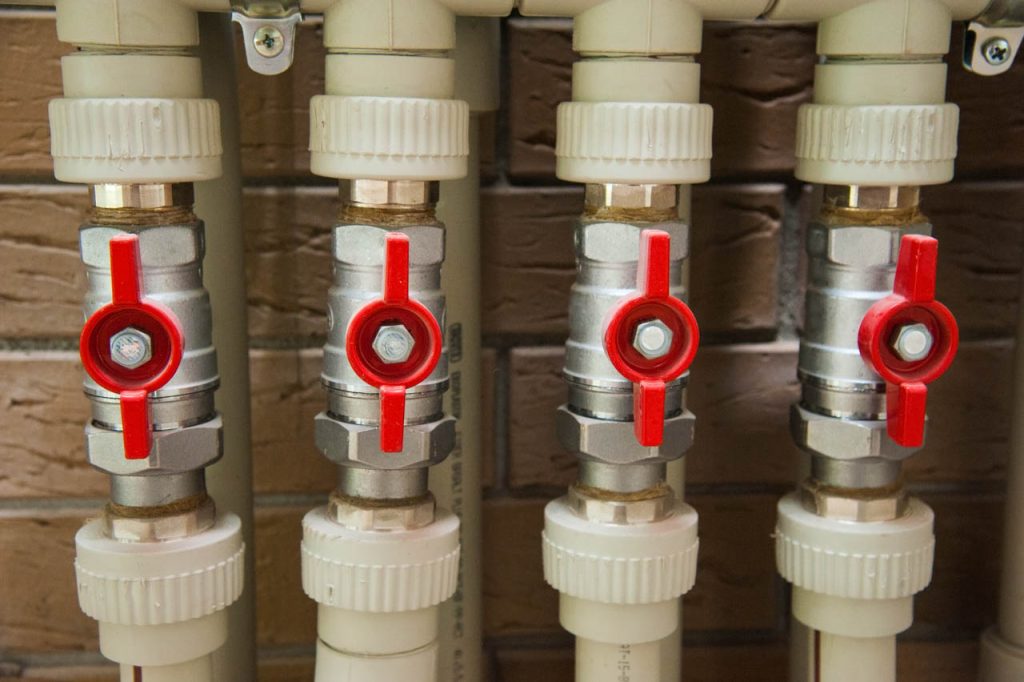
And if you have exposed pipes, like in an outdoor laundry area or a utility sink, white PPR looks incredibly clean and modern! It blends right in with white tiles or painted walls, which is much nicer than having a loud, bright green pipe sticking out. No matter what color you choose, just make sure to double-check the pressure rating printed on the pipe and ensure your plumber uses matching fittings from the same brand to get a flawless melt!
Now, if you’re building on a budget, you might hesitate because PPR costs more upfront than old-school blue PVC pipes. Plus, you need to hire a skilled plumber who actually knows how to use a fusion welding machine. But if possible, it’s best to consider going for PPR right from the start. If a cheap PVC joint leaks behind a tiled wall, you’ll have to smash your expensive tiles, break the concrete, locate the leak, and then pay to rebuild and repaint everything! When you add up the thousands of pesos wasted on emergency repairs, spending a little extra on a premium PPR setup pays for itself the very first time it prevents a hidden leak. It’s truly priceless peace of mind for decades!
So when your plumbing team gets to work, just make sure they’re doing the heat fusion process right. A super common mistake is overheating the pipe, which causes the melted plastic to cave inward and choke your water pressure permanently! A real pro will always use a timer and follow the proper depth guides for a clean, open weld. By picking high-quality PN20-rated PPR and hiring a skilled team who respects the process, you’re laying a rock-solid, leak-proof foundation for your home’s water network!
Remember, a house is only as strong as what’s hiding behind your walls! For more easy, step-by-step building tips made for our tropical climate, keep following us right here on JuanToBuild.com.