The Philippine construction industry is currently navigating a complex intersection of global geopolitical instability and domestic economic pressures that directly challenge every project’s bottom line. For the modern Filipino builder, volatility in the Middle East isn’t just a distant headline; it is a localized reality because the Philippines relies on imports for over 97% of its oil.
Any tension in the Strait of Hormuz, a chokepoint handling 20% of the world’s energy, is felt immediately at local hardware stores and project sites. As the Philippine Peso fluctuates against the US Dollar, hitting historic lows near ₱60, the dream home budget faces a dual siege from energy costs and import prices.
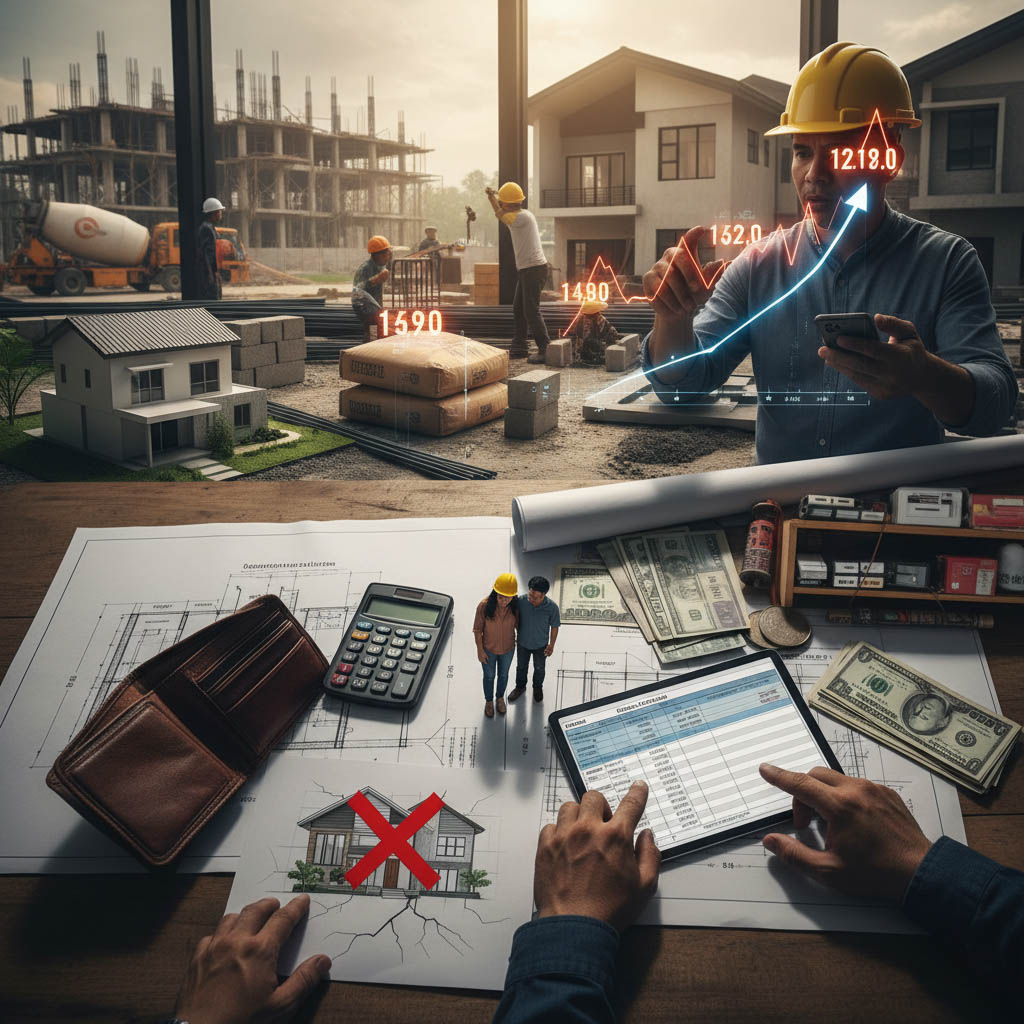
Every centavo increase in global crude filters down to the transport costs of hollow blocks and the operating hours of site mixers, while the weakening currency devalues the purchasing power needed for essential imported components. By acknowledging these global ripples early, homeowners and developers can implement strategic measures to ensure their projects remain achievable despite a turbulent inflationary environment
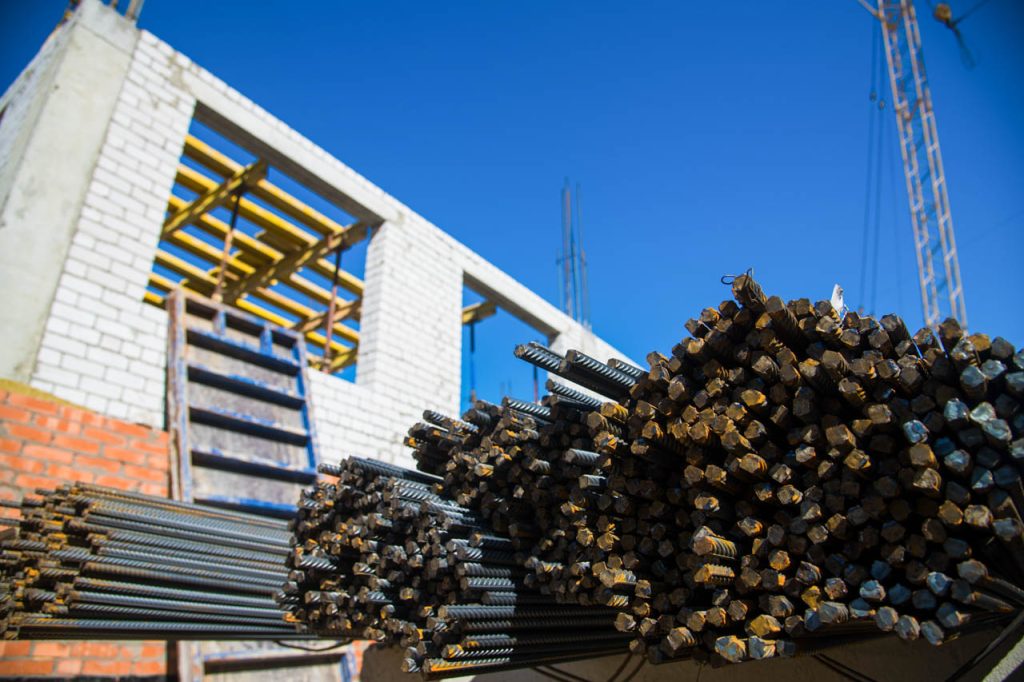
The primary drivers of these shifting costs are the major materials involved in building like steel, cement, paint, and glass. Structural steel and reinforcement bars are particularly sensitive, as their “per kilo” price reacts instantly to international trade shifts and smelting costs abroad. Beyond the materials themselves, a “logistics tax” now impacts every stage of building, from initial excavation with heavy machinery to the final delivery of finishes.
When the Peso weakens, anything with an “imported” tag, from state-of-the-art electrical systems to specialized bathroom fixtures, faces a price surge and potential shipping delays that can stall a project timeline for months.
Even the local production of cement and glass is under pressure, as higher fuel and electricity costs force manufacturing slowdowns. Builders must therefore view their budgets not as static figures, but as moving targets that require constant monitoring and an analytical approach to procurement and project scheduling.
In this environment, protecting your investment requires transparency and proactive risk management rather than cutting corners. While many local agreements specify a “Fixed Price,” a contractor bearing the full weight of sudden price jumps may be tempted to make “diskarte” moves that compromise structural integrity, such as using lower-grade aggregates or thinning out steel reinforcement.
Instead of letting a partnership reach that breaking point, we advocate for honest conversations about cost planning and the creation of a “risk allowance.” A smart benchmark is setting aside roughly 1% to 2% of the total budget for every 10% increase in oil prices. Performing a comprehensive “Project Exposure Audit” can help identify which pending orders are most vulnerable to surcharges or port congestion fees, allowing builders to account for increased hauling rates and equipment rentals before they become mid-project crises.
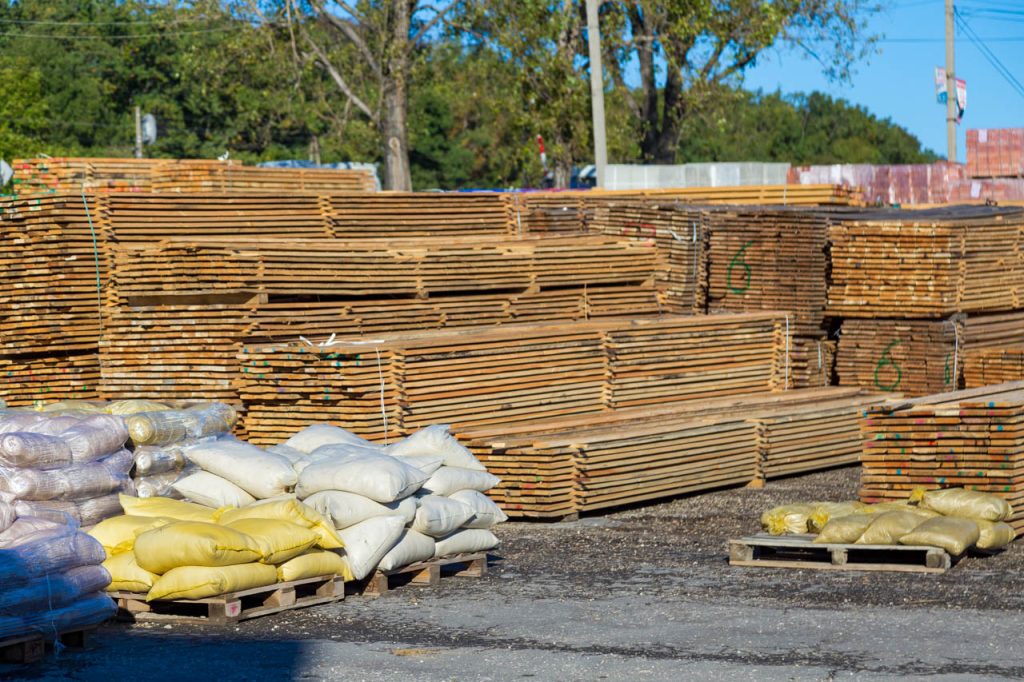
Ultimately, the bayanihan spirit in construction means being flexible and finding local solutions to global problems. There is a growing necessity to explore high-quality Philippine-made alternatives, such as local timber or water-based coatings, to reduce exposure to volatile, oil-dependent imports. By prioritizing efficient design that minimizes waste and utilizing sustainable local materials, builders can reclaim control over their timelines and financial outcomes.
Education remains the strongest tool available; staying informed about the global factors affecting the local hardware store ensures that every Juan can build with confidence. The construction journey is always a test of resourcefulness, but by staying plan-oriented and choosing quality over shortcuts, you can ensure your dream home stands on a solid foundation that can weather any economic storm.