Let’s be honest: every time a Meralco bill hits our inboxes, there’s that collective wince. We live in a country where electricity isn’t just expensive; it’s a major monthly hurdle for most families. It’s no wonder “going solar” has moved from being a niche hobby for tech-geeks to a mainstream conversation at the dinner table.
But if you’re at the stage where you’re browsing JuanToBuild.com for your next renovation or house project, you need to look past the marketing hype. You don’t need a sales pitch; you need a strategy. This starter guide serves as your foundation to understand the basics before you bring in the experts.
The Three Power Plays
Most people think solar is just panels on a roof, but the system behind those panels determines how your life actually changes. While your engineer will specify the exact hardware, you’ll generally find yourself choosing between three strategic approaches.
The first, and most common for urban homeowners, is the Grid-Tie system, often called the “Bill Crusher.” It’s a straightforward setup where you harvest sun during the day and rely on Meralco at night. Because it skips the expensive batteries that typically need replacing every few years, it’s the fastest way to see your investment pay for itself.
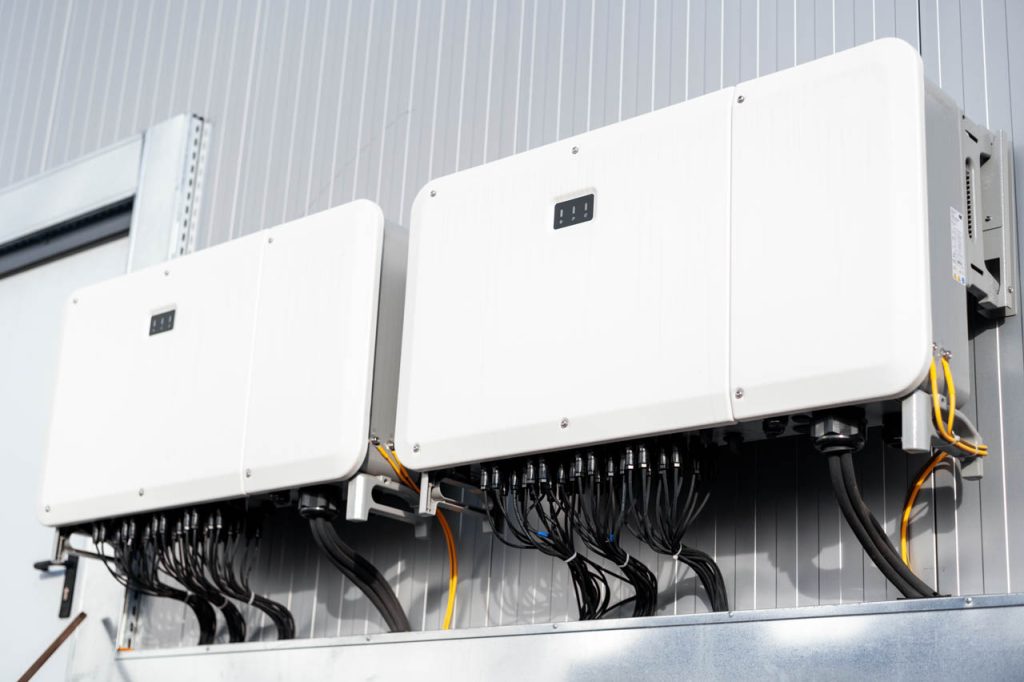
For those who can’t afford a moment of downtime, there is the Hybrid system, or what many call “Brownout Insurance.” This setup keeps a small battery bank ready for essentials. It’s a pricier route, but if you work from home or have a newborn, the peace of mind during a humid summer blackout is often priceless.
Finally, there is the Off-Grid approach, though this “Island Life” setup is rarely practical for standard residential builds. Unless you’re building in a remote area where the power lines literally don’t reach, the heavy maintenance and massive upfront costs usually make it a tough pill to swallow for the average city home.
The “Solar-Ready” Advantage
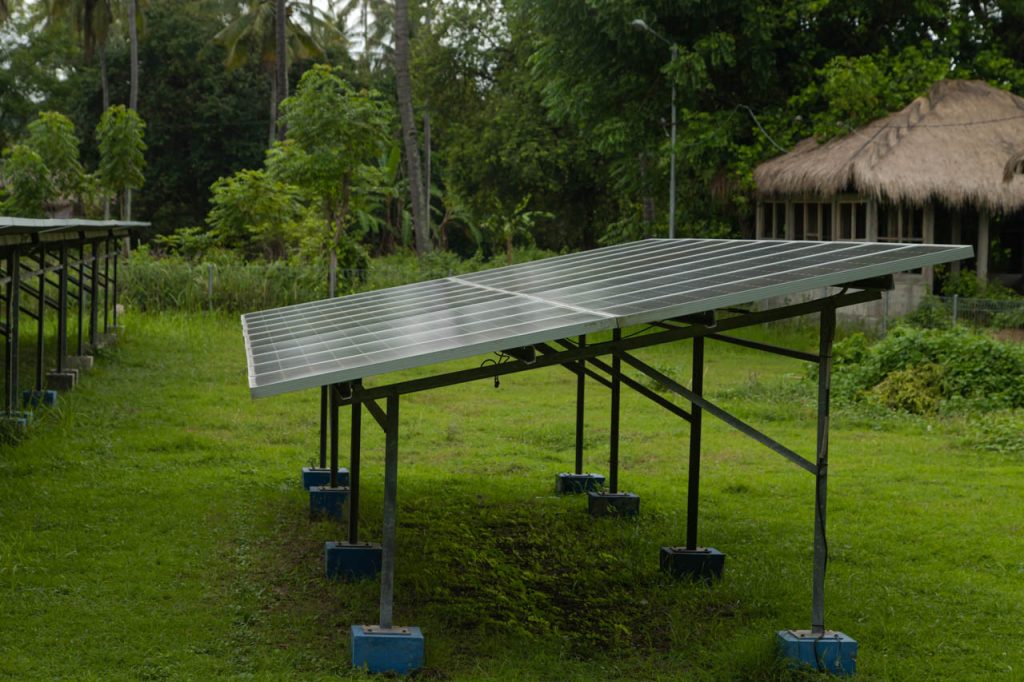
If you are building right now, you have a massive advantage over those who decide to add solar years later. Most people “retrofit” solar, which often results in visible wires, awkward panel placements, and extra labor costs. By thinking ahead during the planning phase, you can bake efficiency into the very bones of the house.
Start with the orientation. Here in the Philippines, a south-facing roof is your “golden zone”, the difference between 100% efficiency and a disappointing 70%. Your architect can help optimize your roof’s pitch to catch every possible ray. You should also consider “hiding the veins” by asking for a PVC conduit to be installed from the roof straight to your electrical room. It’s a tiny cost during construction that saves you from ugly external pipes later. Most importantly, have your structural engineer verify that your roof trusses are designed for the added weight of the panels, ensuring they stay secure even during a severe typhoon.
What about Net Metering?
This is the secret sauce that makes the math work. Net Metering allows you to sell your “extra” sun back to the grid, essentially using the utility company like a battery. During the day, when your house is producing more than it needs, you send that energy back out. At night, you “withdraw” it.
While this can make your bill practically vanish, keep in mind that Meralco currently provides credit against your consumption rather than buying back power for cash. There is also a 100kW ceiling for residential setups, so anything beyond that won’t give you extra credit on your monthly statement.
The Myth of the “Rainy Day”
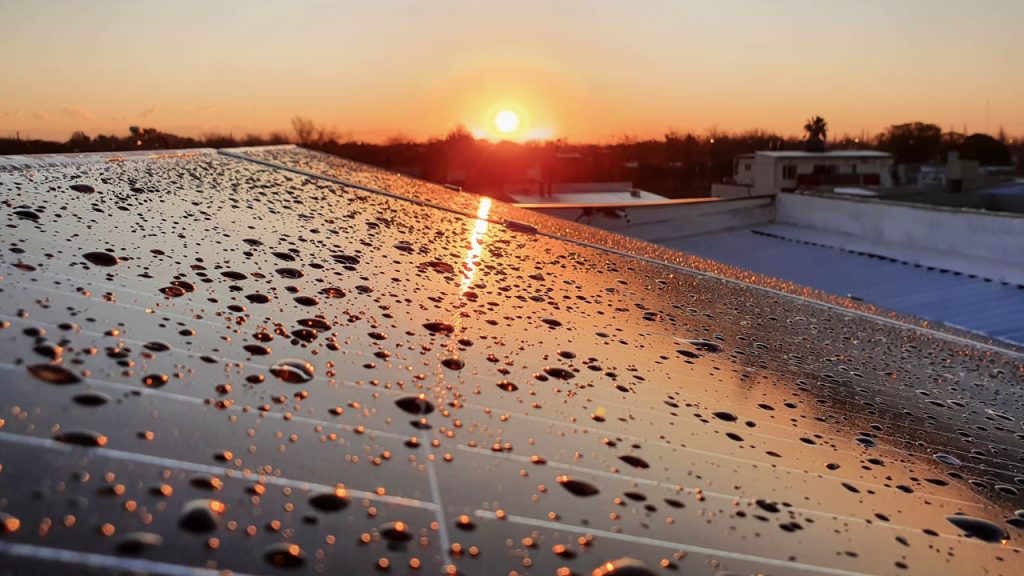
A common worry is what happens when it rains for three weeks in August. It’s important to remember that solar panels don’t actually need heat; they need light. Even on a gloomy, overcast day in Manila, your panels are still harvesting ambient light. You might lose some efficiency compared to a bright summer afternoon, but your system is never truly “off.”
The Bottom Line
Don’t treat solar like a simple appliance treat it like a building material. Just like you wouldn’t skimp on your foundation or your plumbing, your energy source is part of the long-term integrity of your home. When planned correctly with the help of professionals, it’s the only part of your house that actually pays you back, usually within five years, leaving you with decades of essentially free power.
This article is intended as a foundational overview for homeowners and is not a comprehensive technical manual. Solar installations involve complex electrical engineering and structural considerations. Before making any financial commitments or starting construction, always consult with a licensed professional engineer or a certified solar provider to conduct a site-specific feasibility study.