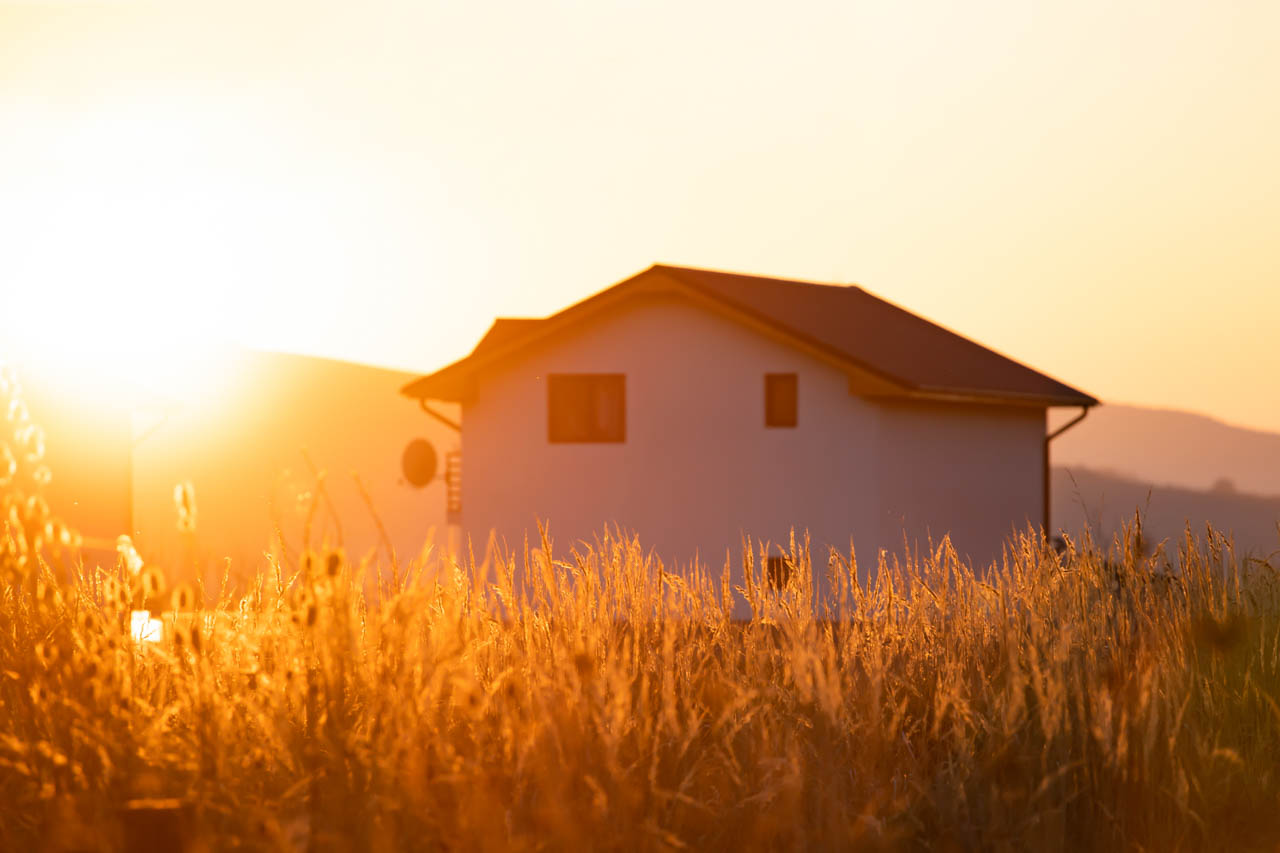
As the Philippine summer hits its peak, the “Pag gising sa umaga, pawis agad” struggle becomes a daily reality for millions of us. For most, the immediate reaction is to reach for the aircon remote, but with electricity rates constantly climbing, your comfort shouldn’t have to cost a fortune.
At JuanToBuild.com, we believe a smart home isn’t just about high-tech gadgets; it’s really about how the house “breathes” through Passive Cooling. By designing your home to manage heat naturally, you can actually drop your indoor temperature by 3°C to 5°C without spending a single cent on Meralco bills.
This is about shifting our mindset from fighting the heat with machines to working with the natural flow of our tropical environment.
Master the Art of Cross-Ventilation
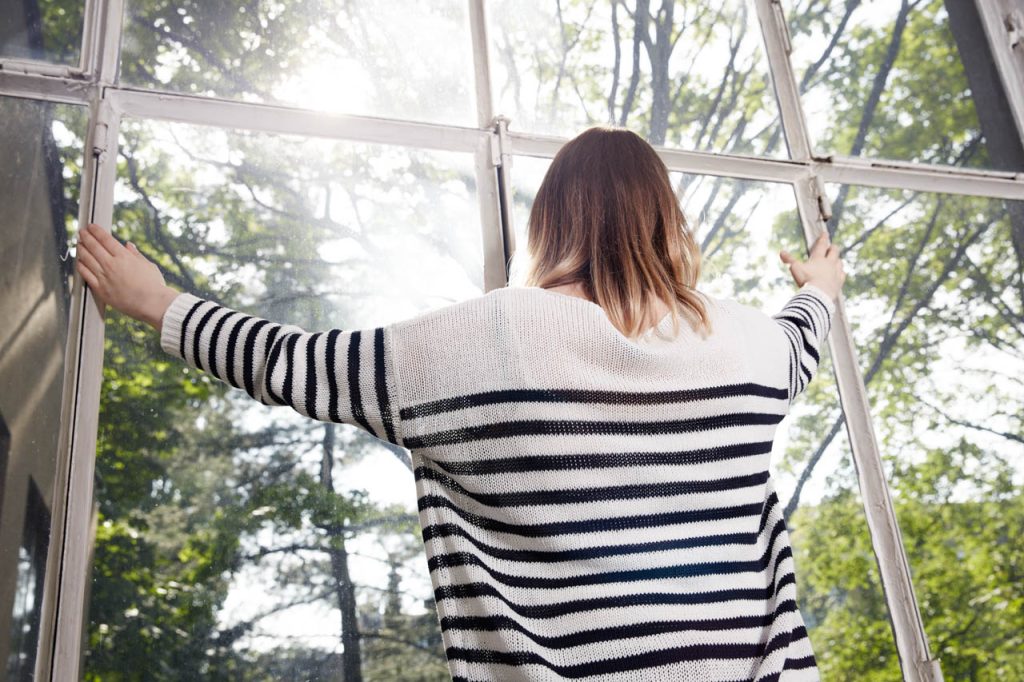
The first thing to master is the art of cross-ventilation. In many tightly packed Philippine neighborhoods, houses are built side-by-side with minimal gaps, which unfortunately creates “dead air” zones where heat just sits and stagnates.
You can fix this by creating a pressure difference, don’t just open one window; make sure there is an exit point on the opposite side of the room or the house. Think of it as creating a dedicated path for the breeze to travel through.
If you have upper floors, keeping those upstairs windows slightly open acts like a natural chimney. Since hot air naturally rises, it pulls the cooler air from the ground floor upward and out of the house, effectively flushing out the day’s heat without the need for an industrial exhaust fan.
High-Performance Window Films: The “Invisible” Shield
While windows are great for the view, they are also “heat magnets” if left bare. Standard glass allows solar infrared rays to penetrate your living room, turning it into a greenhouse where heat is trapped by the walls and flooring.
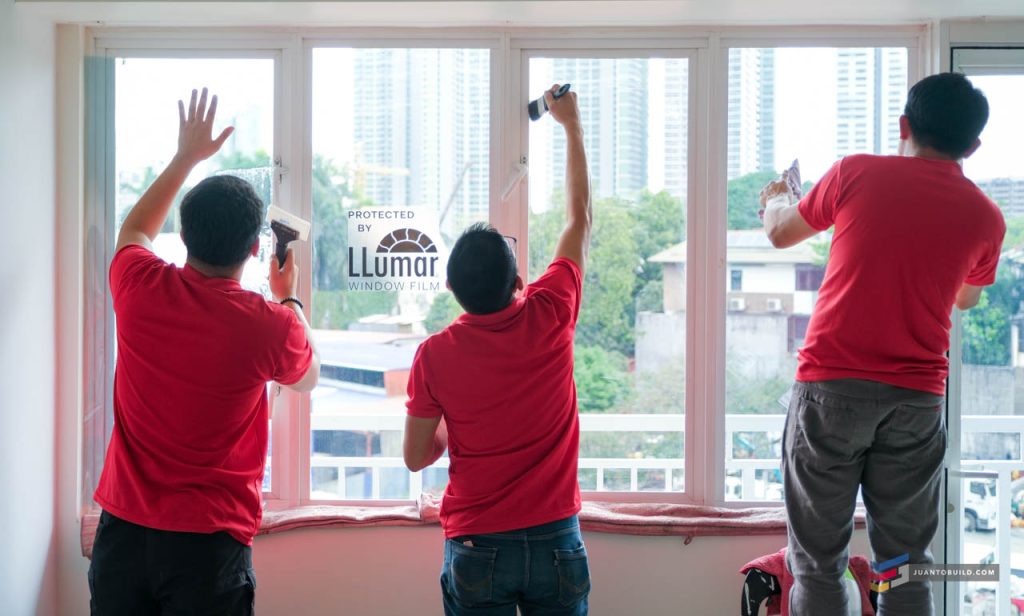
A modern and invisible shield against this is professional-grade Window Film, often called ceramic tint. Unlike heavy curtains that block your view and make the room feel cramped or dark, these films use nano-technology to block up to 99% of UV rays and 80% of solar heat while remaining transparent.
This doesn’t just keep you cool; it also protects your interior investments, everything from your wall’s paint, sofa’s fabric, and hardwood floors to your delicate electronics and artwork, from the “fading” effect of the sun. More importantly, it significantly reduces the workload on your aircon, allowing it to reach your target temperature faster and cycle off more frequently.
Roof Insulation: The “Cool Cap” Investment
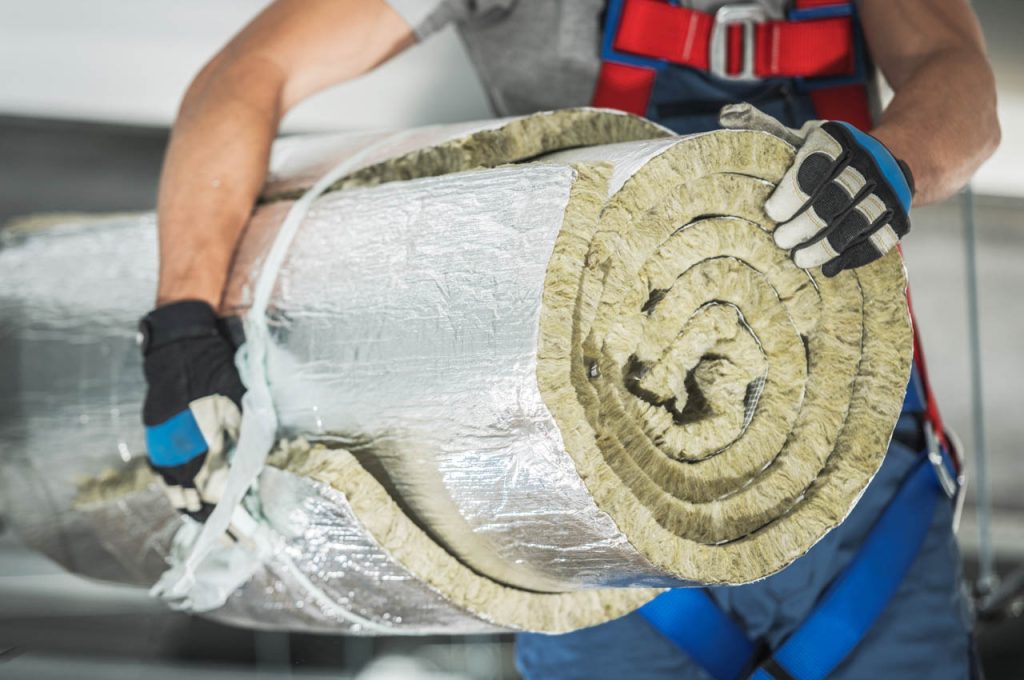
We also have to look at the “Cool Cap” of the house, the roof. In our climate, a standard G.I. sheet can reach over 60°C under the noon sun, radiating that intense heat directly into your ceiling and eventually soaking into your bedrooms.
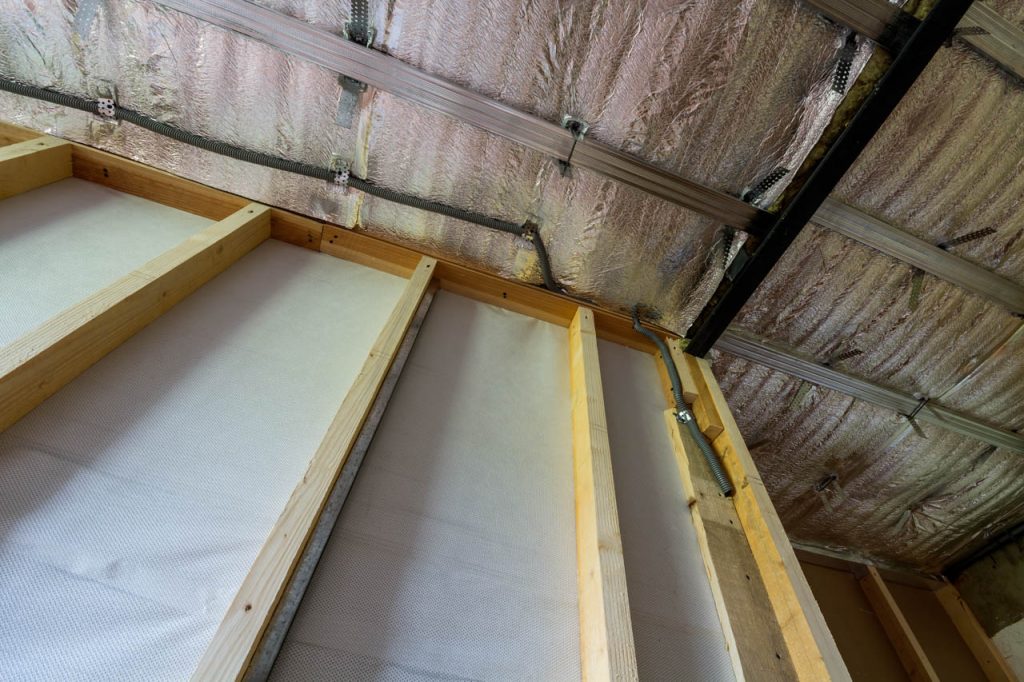
This is why we always tell homeowners that roof insulation is a “Juan-time” investment that pays for itself within just two or three summers. When you talk to your contractor, ask for high-quality PE Foam with double-sided reflective foil or Glass Wool blankets.
These materials act as a barrier that reflects the sun’s energy back toward the sky before it even enters your attic space. As a bonus, this extra layer also dampens the deafening sound of heavy rain during the monsoon season, making your home a quieter, more peaceful sanctuary all year-round
Revive the “Bahay Kubo” Eaves
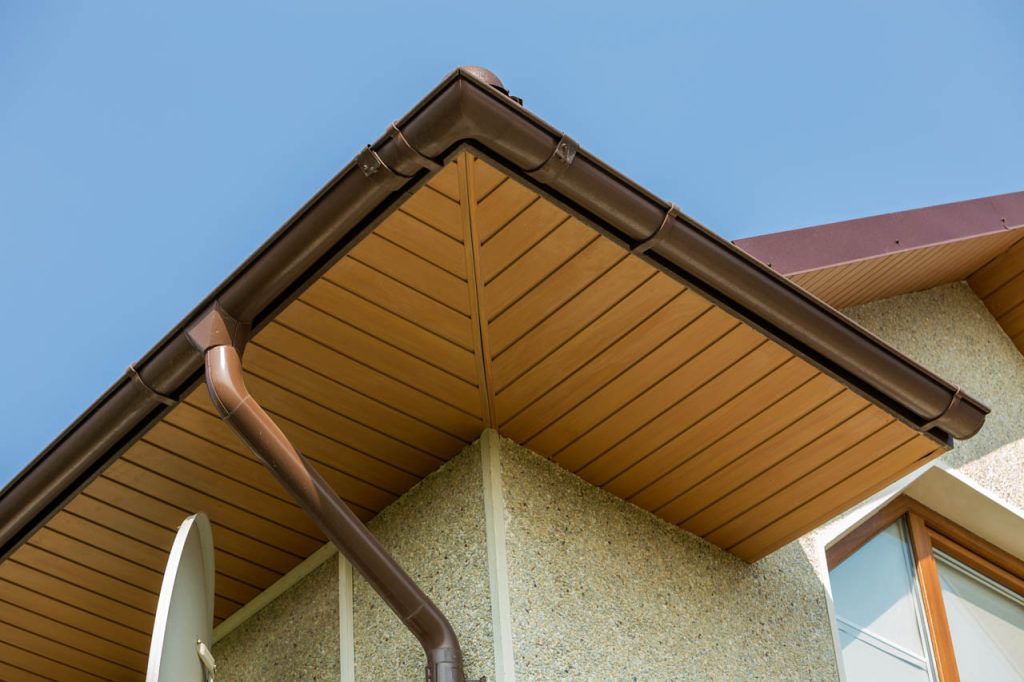
There is also a lot of wisdom we can take from the traditional Bahay Kubo, specifically the use of wide eaves or “media aguas.” Many modern “Zen” or “Minimalist” box-type houses skip these roof overhangs for aesthetic reasons or to maximize every square inch of the lot, but the logic of our ancestors remains: if the sun never hits your windows and concrete walls, the walls won’t absorb heat to release into your bedroom at night.
Concrete has a high thermal mass, meaning it “stores” heat during the day and “breathes” it back into your rooms while you’re trying to sleep. If your current house lacks these overhangs, you can retrofit with retractable awnings or fixed louvers, especially over west-facing windows, to block that harsh, low-angle afternoon glare while still letting the evening breeze circulate.
The “Living Wall” Strategy
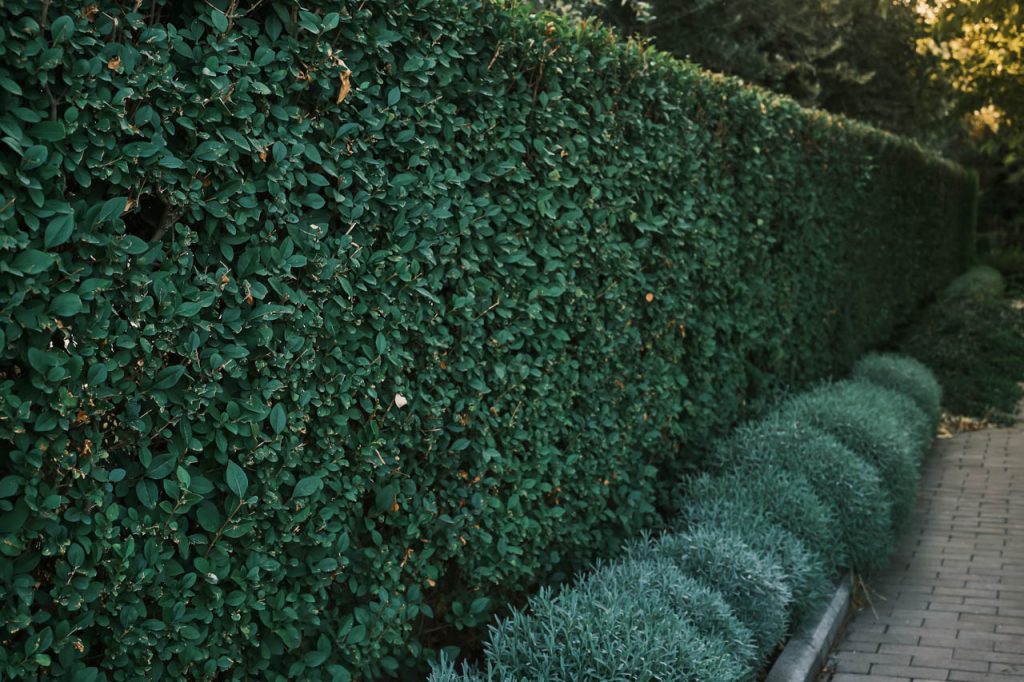
Finally, consider the “Living Wall” strategy to combat this thermal mass directly. If you have a firewall or a side of the house that gets baked by the sun all afternoon, that concrete will feel warm to the touch even at 9:00 PM.
By planting tall plants or using a trellis with hardy vines, you create a natural buffer. Plants use a process called transpiration to stay cool, effectively acting as a natural evaporative cooler for your home’s exterior skin. These green barriers absorb the solar energy that would otherwise heat up your masonry, adding a much-needed splash of “presko” green to your property and improving the air quality around your windows.
Ultimately, heat-proofing isn’t about one single magic product; it’s about creating layers of protection that work together. By combining these traditional design methods with modern building materials, you can create a home that stays cool, looks great, and keeps your wallet happy.
Ready to build or renovate? Find the best materials and trusted contractors at JuanToBuild.com.